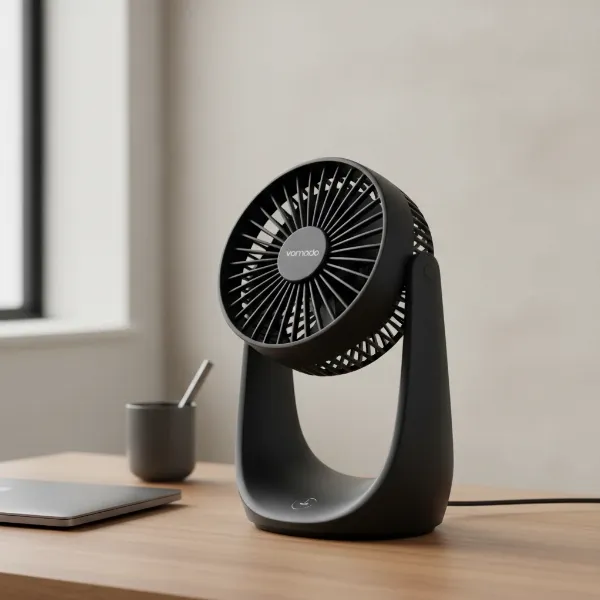
As a seasoned technician with over a decade of hands-on experience in the world of electric fans, I’ve seen countless models come and go. From classic oscillating fans to modern bladeless wonders, these devices are essential for comfort, but what happens when they reach the end of their life? Tossing an old electric fan into the regular trash might seem convenient, but it’s a decision with significant environmental consequences. Understanding how to responsibly recycle electric fans is crucial for protecting our planet and conserving valuable resources.
This guide will walk you through the essential steps, from understanding why fans are considered e-waste to finding the best disposal options, ensuring your old appliance contributes to a greener future.
Understanding Electric Fans as E-Waste
Many people are unaware that electric fans are not merely simple household appliances; they are classified as Waste Electrical and Electronic Equipment (WEEE), also known as e-waste. This categorization stems from their internal components, which typically include plastics, metals (like copper wiring and steel), an electric motor, and sometimes a circuit board or capacitor. These materials, while valuable for recovery, can also contain hazardous substances that pose environmental risks if improperly disposed of.
When an electric fan ends up in a landfill, these materials can leach into the soil and groundwater, leading to pollution that harms ecosystems and potentially human health. Moreover, discarding fans as general waste means losing out on the opportunity to recover precious resources. Recycling one million laptops, for instance, can save energy equivalent to the annual electricity consumption of over 3,500 U.S. homes, illustrating the immense potential of proper e-waste management. [cite: 1 (search 1)] This is why local regulations often prohibit placing e-waste, including fans, in curbside recycling or household trash bins. [cite: 4 (search 1), 5 (search 1)]
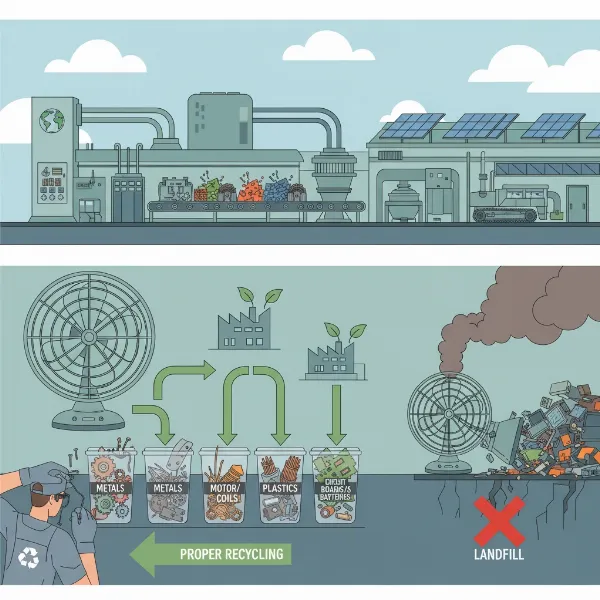 Illustration of an electric fan being properly recycled in an e-waste facility.
What to Do Before Recycling Your Old Electric Fan
Before you embark on the recycling journey for your old electric fan, a few preparatory steps can make the process smoother and more effective.
Assess Functionality: Donate or Recycle?
|
Our Picks for the Best Electric fan in 2026
As an Amazon Associate I earn from qualifying purchases.
|
||
| Num | Product | Action |
|---|---|---|
| 1 | Dreo Fan for Bedroom, 120° Oscillating Standing Fan, Quiet Floor Fan with DC Motor, Pedestal Fan for Room, 9 Speeds, 4 modes, 20dB, 120° Manual Vertical, 37-42" Adjustable Height, 9H Timer, Black |

|
| 2 | XPOWER FC-100S Multipurpose 11 Pro Air Circulator Utility Fan with Oscillating Feature |
|
| 3 | Amazon Basics 16" Pedestal Fan with Remote, Floor Fan, Standing Fan for Bedroom, Living Room, Office, with 3 Speeds, 3 Modes, Timer, Dual-Layered Blades, Adjustable Height, Tilt Head, 60W, Black |
|
| 4 | Dreo Tower Fan for Bedroom, 25ft/s Velocity Quiet Floor Fan, 90° Oscillating Fans for Indoors with 4 Speeds, 4 Modes, 8H Timer, Standing Fans, Bladeless Fan, Black, Nomad One (DR-HTF007) |
|
| 5 | Viniper Portable Rechargeable Fan, Small Desk Fan : 3 Speeds & about 8-24 Hours Longer Working, 180 Rotation, Portable Desktop Fan Small but Mighty, Strong Wind (White, Light Black Blade)6.2 Inch |
|
| 6 | LEVOIT Tower Fan for Bedroom, 25ft/s Velocity Standing Fan with 28dB Quiet for Sleep, Remoter, 12H Timer, 5 Speeds, 4 Modes, 90° Oscillation for Home, Office, Indoor, Bladeless 36 inch, White |
|
| 7 | Dreo Fan for Bedroom, 120° Oscillating Standing Fans, Quiet Floor Fan with DC Motor, 100ft Pedestal Fans for Room, 9 Speeds, 4 modes, 20dB, 120° Manual Vertical, 37-42" Adjustable Height, 9H Timer |
|
| 8 | Lasko 2520 Oscillating Stand Fan,White 16 Inch |
|
| 9 | 10" Modern Standing Fan for Bedroom, Sleek Oscillating Pedestal Fan, 3-Speed & Height Adjustable Compact Floor Fan for Home Office & Dorm |
|
| 10 | Amazon Basics Air Circulator Fan, Desk Fan for Bedroom, Home and Office, With 90-Degree Tilt Head, 3 Speed Settings, Lightweight (3 LBS), 35 Watts, Black, 11.1"W x 6.3"D x 10.9"H |
|
The first question to ask is whether your fan is still in working condition. If it powers on, oscillates, and moves air effectively, it might be suitable for donation or resale. Giving a functional fan a second life is often the most sustainable option, extending its usefulness and preventing it from entering the waste stream prematurely. Many local charities, community centers, or schools might be grateful for a working fan, especially during warmer months. Alternatively, online marketplaces and local classifieds offer platforms to resell fans, even for a nominal fee, ensuring it finds a new home. [cite: 2 (search 2), 4 (search 1)]
Remove Batteries
While most standard electric fans don’t have user-removable batteries, some models, particularly those with remote controls or cordless features, might contain them. It’s crucial to remove any batteries before disposal, as they often require separate recycling processes. Lithium-ion batteries, in particular, should never be thrown into household garbage or recycling bins due to potential hazards. Always check for specific battery recycling guidelines in your area. [cite: 1 (search 1)]
Clean Your Fan
A quick clean can sometimes make a fan more appealing for donation or easier for recycling facilities to process. Dust and grime can accumulate on blades and grilles, and while not strictly necessary for recycling, a tidy appliance reflects care and consideration.
Top Options for Recycling Non-Working Electric Fans
When your electric fan has truly reached the end of its life and is no longer functional, responsible recycling is the way to go. Standard curbside recycling programs typically do not accept electric fans, so you’ll need to explore specialized e-waste disposal methods. [cite: 4 (search 1)]
Certified E-Waste Recycling Centers
The most reliable method for disposing of non-working electric fans is to take them to a certified e-waste recycling center. These facilities are equipped to safely dismantle electronics, separate components, and ensure that hazardous materials are handled appropriately, while valuable resources like metals and plastics are recovered for reuse. [cite: 4 (search 1)]
To find a center near you, check your local municipal waste management website. Many cities and counties offer specific drop-off days or permanent facilities for electronics. Online resources like Earth911, Call2Recycle, or Greener Gadgets can also help locate certified recyclers by zip code. [cite: 1 (search 1), 4 (search 2)]
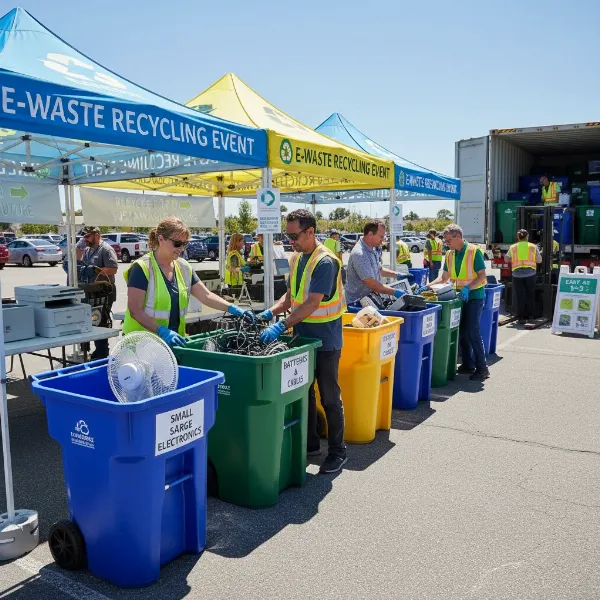 People dropping off various electronic waste, including old fans, at a designated e-waste collection center.
Retailer Take-Back Programs
In many regions, particularly those governed by Waste Electrical and Electronic Equipment (WEEE) directives, retailers have an obligation to accept old electronics for recycling. This often occurs on a “one-for-one, like-for-like” basis when you purchase a new electrical item. For instance, if you buy a new standing fan, the retailer might take back your old one. Some larger stores are even mandated to accept small appliances, regardless of whether you make a new purchase. [cite: 2 (search 3), 5 (search 3)] It’s always a good idea to inquire about their take-back policies when purchasing a new fan.
Manufacturer Recycling Initiatives
Some electric fan manufacturers have established their own recycling programs, often referred to as take-back schemes. These initiatives aim to recover their products at the end of their lifecycle, promoting circular economy principles. Check the manufacturer’s website or contact their customer service to see if such a program exists for your particular fan model.
Scrap Metal Yards
Electric fans contain a significant amount of metal, particularly in their motors and structural frames. If you’re comfortable with a bit of DIY, you might be able to dismantle the fan yourself and take the metal components to a local scrap metal yard. These yards pay for scrap metal by weight, offering a small financial incentive while ensuring the metal is recycled. [cite: 5 (search 1)] However, be mindful of the other components, such as plastics and circuit boards, which should still be directed to an e-waste facility.
Giving Your Working Electric Fan a Second Life: Donation and Resale
If your electric fan is still in good working order, extending its life through donation or resale is a fantastic way to be environmentally responsible. This reduces demand for new products and keeps useful items out of landfills.
Donation Opportunities
Many charitable organizations accept working appliances. Consider contacting local thrift stores, homeless shelters, community centers, or even schools. They might have a need for cooling devices, especially during warm weather. Always call ahead to confirm their acceptance policies and operating hours. Donating also offers the benefit of supporting community initiatives.
Resale Options
For a fan that still has value, online platforms like Facebook Marketplace, Craigslist, Gumtree, or even local garage sales can connect you with interested buyers. This not only puts a little cash back in your pocket but also ensures the fan continues to serve its purpose for someone else. Websites like Freecycle also allow you to give away items for free, preventing them from becoming waste.
“The most sustainable fan is the one you already own. When it can no longer serve you, ensuring it serves someone else or is properly recycled is the ultimate act of environmental stewardship.” – Alex Rivera, Environmental Sustainability Advocate
A Comparison of Electric Fan Recycling Methods
Choosing the right method for your old electric fan depends on its condition and your local resources. Here’s a brief comparison:
| Method | Ideal For | Pros | Cons |
|---|---|---|---|
| Donation/Resale | Working, gently used fans | Extends product life, reduces waste, helps others | Requires fan to be functional, might take time to sell |
| E-Waste Centers | All non-working fans, hazardous parts | Comprehensive recycling, safe disposal of toxins | Requires transportation, might have specific hours |
| Retailer Take-Back | When buying a new replacement fan | Convenient, often free, ensures proper WEEE handling | Usually requires a new purchase, limited to certain retailers |
| Manufacturer Programs | Specific fan brands/models | Tailored recycling, brand responsibility | May not be available for all brands, often requires shipping |
| Scrap Metal Yards | Fans with significant metal components | Recovers valuable metals, potential small payout | Requires dismantling, other parts still need e-waste disposal |
Tips for Safe and Effective Electric Fan Disposal
To ensure your electric fan disposal is as responsible and hassle-free as possible, keep these tips in mind:
- Verify Certifications: When choosing an e-waste recycler, look for facilities that are certified (e.g., R2 or e-Stewards). These certifications ensure that the recycling process meets stringent environmental and safety standards.
- Follow Local Regulations: Recycling guidelines can vary significantly by municipality and state. Always check your local waste management authority’s website for specific instructions and approved drop-off locations. Ignoring these can lead to fines or environmental issues. [cite: 2 (search 2)]
- Consider Collection Events: Many communities organize special e-waste collection events throughout the year. These events are convenient opportunities to dispose of various electronic items, including fans, often free of charge.
- Don’t Disassemble Unless Experienced: While some components like metal can be recycled separately, disassembling complex electronics without proper knowledge can be risky, exposing you to sharp edges, electrical hazards, or the release of hazardous dust. It’s generally best to let certified recyclers handle the dismantling. [cite: 1 (search 2)]
Where to Buy Electric Fans Responsibly?
As the administrator of electricfanatic.com, I know the importance of making informed choices, not just about disposal, but also about purchase. When buying a new fan, consider retailers known for their take-back programs or choose brands with strong sustainability commitments. Local appliance stores, major electronics retailers, and reputable online stores are good starting points. Always check for warranty information and customer reviews to ensure product reliability and longevity, reducing the frequency of disposal.
Conclusion
Properly recycling an old electric fan is more than just decluttering your home; it’s a vital contribution to environmental sustainability. By recognizing fans as e-waste, exploring donation options for working units, and utilizing certified recycling centers or retailer take-back programs for non-working ones, you play a direct role in conserving natural resources and preventing harmful pollution. The cumulative effort of individuals making responsible choices about their electronic waste creates a significant positive impact. So, the next time your electric fan needs to be replaced, remember that its journey doesn’t have to end in a landfill. What steps will you take to ensure your old electric fan is disposed of responsibly?
Frequently Asked Questions
Can I throw an electric fan in the regular trash?
No, electric fans are classified as e-waste and should not be placed in regular household trash or curbside recycling bins. They contain valuable materials that can be recovered and potentially hazardous substances that can harm the environment if landfilled. [cite: 4 (search 1), 5 (search 1)]
What is WEEE, and how does it relate to fans?
WEEE stands for Waste Electrical and Electronic Equipment. It refers to any waste containing electrical and electronic components. Electric fans fall under WEEE because they are electrical appliances, meaning they must be treated in specific recycling centers to prevent pollution and recover materials. [cite: 1 (search 3)]
Are all parts of an electric fan recyclable?
Most components of an electric fan, including plastic bodies, metal grilles, electric motors, and copper wiring, can be separated and recycled by specialized e-waste processors. However, not all parts are recycled in the same way, emphasizing the need for professional e-waste facilities. [cite: 4 (search 1)]
How can I find an e-waste recycler near me?
You can find e-waste recyclers by checking your local municipal waste management website, using online search tools like Earth911.com or Call2Recycle.org, or inquiring with electrical retailers about their take-back programs. These resources help locate approved facilities or collection events in your area. [cite: 1 (search 1), 4 (search 2)]
Do retailers have to take back my old electric fan?
In many regions, especially where WEEE directives are in place (like the UK and EU), retailers selling electrical goods are obliged to offer a take-back scheme for old electrical equipment. This is often on a one-for-one, like-for-like basis when purchasing a new item, and larger stores might accept small appliances without a new purchase.