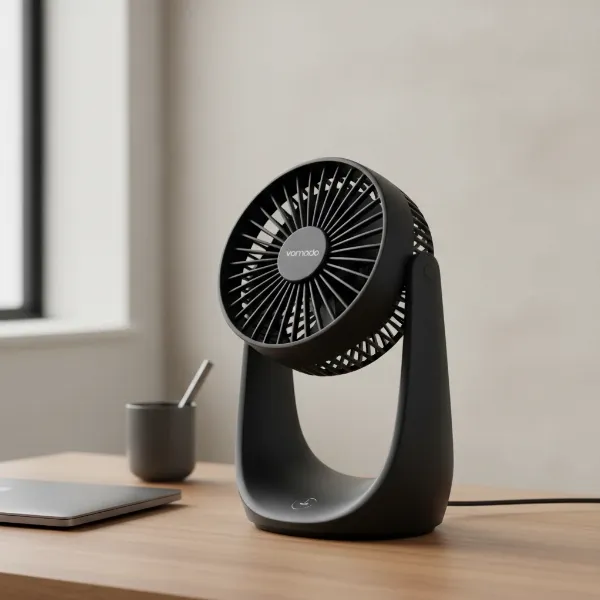
Whether you’re a professional painter, a DIY enthusiast tackling a home renovation, or dealing with unexpected water damage, efficient drying is paramount. Waiting for paint to cure or floors to dry naturally can be a painstaking process, often leading to delays, dust accumulation, or even mold growth in damp conditions. This is where high velocity fans step in, transforming tedious wait times into significantly accelerated processes. With over a decade of hands-on experience in the world of electric fans, I can tell you that selecting the right high velocity fan, also known as an air mover or blower fan, is not just about moving air; it’s about optimizing your workflow, protecting your investment, and achieving superior results. This guide will walk you through everything you need to know, from understanding the different types of fans to selecting the perfect model for your specific drying needs, and how to maintain it for years of reliable service.
Understanding High Velocity Fans and Their Role in Drying
High velocity fans, often interchangeably called air movers or blower fans, are distinct from typical household fans. While a standard fan aims to cool by circulating air and creating a breeze, a high velocity fan is engineered to move a substantially larger volume of air at a higher speed and pressure, focusing it directionally. This concentrated airflow is crucial for accelerating evaporation, which is the cornerstone of effective drying.
When drying paint, these fans rapidly circulate air across the painted surface, whisking away solvent vapors and allowing the paint to cure faster and more evenly. For floors, especially after cleaning, spills, or water damage, high velocity fans prevent moisture from lingering, thereby mitigating the risk of warping, mildew, and structural damage. Their robust design and powerful motors enable them to perform in demanding environments like construction sites, workshops, and garages, where standard fans would simply fall short.
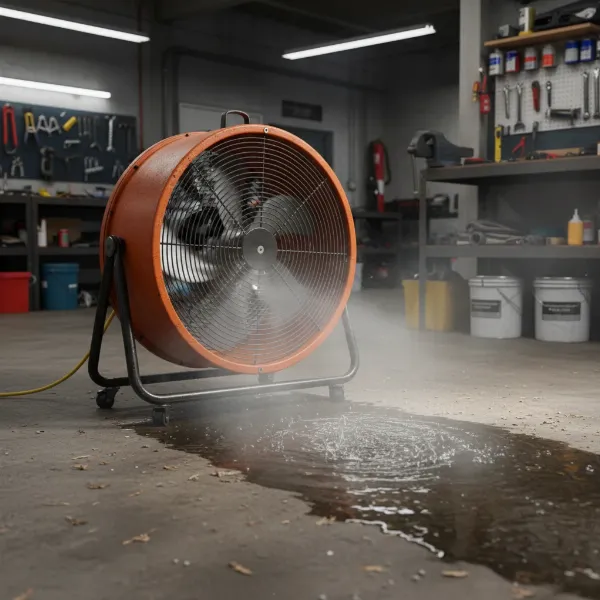 High velocity fan rapidly drying a wet floor in a large garage or workshop.
Types of High Velocity Fans for Drying Applications
The market offers a range of high velocity fans, each designed with specific applications in mind. Understanding these types will help you choose the most effective tool for your project.
Traditional High Velocity Floor Fans
These are often large, circular, or drum-style fans mounted on a robust frame, typically placed directly on the floor. They are excellent for general air circulation in large spaces like garages, workshops, or studios, and can effectively dry large floor areas or freshly painted walls. Many models feature adjustable tilt mechanisms, allowing you to direct airflow precisely.
- Pros: Powerful, cover large areas, durable build, often versatile for general cooling and ventilation.
- Cons: Can be bulky, some models are quite loud, less specialized for targeted, low-profile drying.
|
Our Picks for the Best Electric fan in 2026
As an Amazon Associate I earn from qualifying purchases.
|
||
| Num | Product | Action |
|---|---|---|
| 1 | LEVOIT Tower Fan for Bedroom, 25ft/s Velocity Standing Fan with 28dB Quiet for Sleep, Remoter, 12H Timer, 5 Speeds, 4 Modes, 90° Oscillation for Home, Office, Indoor, Bladeless 36 inch, White |

|
| 2 | Lasko 2520 Oscillating Stand Fan,White 16 Inch |
|
| 3 | XPOWER FC-100S Multipurpose 11 Pro Air Circulator Utility Fan with Oscillating Feature |
|
| 4 | Dreo Fan for Bedroom, 120° Oscillating Standing Fans, Quiet Floor Fan with DC Motor, 100ft Pedestal Fans for Room, 9 Speeds, 4 modes, 20dB, 120° Manual Vertical, 37-42" Adjustable Height, 9H Timer |
|
| 5 | 10" Modern Standing Fan for Bedroom, Sleek Oscillating Pedestal Fan, 3-Speed & Height Adjustable Compact Floor Fan for Home Office & Dorm |
|
| 6 | Amazon Basics Air Circulator Fan, Desk Fan for Bedroom, Home and Office, With 90-Degree Tilt Head, 3 Speed Settings, Lightweight (3 LBS), 35 Watts, Black, 11.1"W x 6.3"D x 10.9"H |
|
| 7 | Viniper Portable Rechargeable Fan, Small Desk Fan : 3 Speeds & about 8-24 Hours Longer Working, 180 Rotation, Portable Desktop Fan Small but Mighty, Strong Wind (White, Light Black Blade)6.2 Inch |
|
| 8 | Dreo Fan for Bedroom, 120° Oscillating Standing Fan, Quiet Floor Fan with DC Motor, Pedestal Fan for Room, 9 Speeds, 4 modes, 20dB, 120° Manual Vertical, 37-42" Adjustable Height, 9H Timer, Black |
|
| 9 | Dreo Tower Fan for Bedroom, 25ft/s Velocity Quiet Floor Fan, 90° Oscillating Fans for Indoors with 4 Speeds, 4 Modes, 8H Timer, Standing Fans, Bladeless Fan, Black, Nomad One (DR-HTF007) |
|
| 10 | Amazon Basics 16" Pedestal Fan with Remote, Floor Fan, Standing Fan for Bedroom, Living Room, Office, with 3 Speeds, 3 Modes, Timer, Dual-Layered Blades, Adjustable Height, Tilt Head, 60W, Black |
|
Dedicated Air Movers / Blower Fans
Air movers are specifically designed with drying in mind. They usually have a compact, low-profile, and sometimes stackable design, making them ideal for water damage restoration. These fans can be positioned in multiple angles—flat, 45 degrees, or 90 degrees—to dry specific areas like carpets, subfloors, walls, or even up stairwells. Their focused airflow is highly efficient for removing moisture from damp surfaces.
- Pros: Highly efficient for targeted drying, multi-positional, often stackable for easy storage and transport, some feature daisy-chain capability to link multiple units.
- Cons: Less effective for broad area cooling compared to large drum fans, can still be loud at higher settings.
Specialty Drying Fans (e.g., for Paint Booths)
For professional paint applications, especially with water-based paints, specialized drying fans are crucial. These fans are often built with features like stainless steel components (blades, inner shell) to prevent sparks from static buildup and avoid booth contamination. They are designed to manage volatile organic compounds (VOCs) by ensuring sufficient air displacement (CFM) to maintain safety standards and accelerate the drying of specialized coatings. These fans are often integrated into larger ventilation systems or used as standalone units within a paint booth.
- Pros: Engineered for safety in paint environments, specific airflow for optimal paint curing, prevents contamination.
- Cons: Highly specialized, typically higher cost, may not be suitable for general-purpose drying.
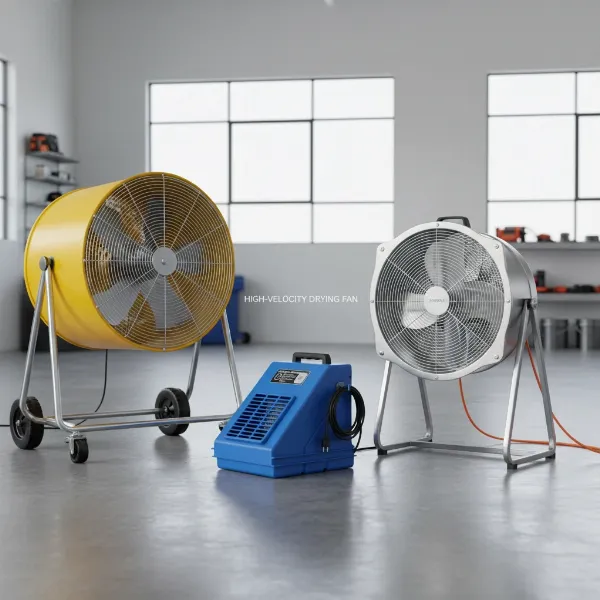 Assortment of different high velocity fans, including a traditional floor fan, a compact air mover, and a specialized industrial fan.
Key Factors to Consider When Choosing a High Velocity Fan
Making the right choice for your high velocity fan involves evaluating several technical specifications and practical features.
Airflow Capacity (CFM)
Cubic Feet per Minute (CFM) is perhaps the most critical metric for a drying fan, as it quantifies the volume of air the fan moves per minute. A higher CFM rating directly translates to faster drying times.
- For drying paint or small floor areas: A fan with 500-1000 CFM can be effective.
- For average-sized rooms, wet carpets, or drywall mud: Look for fans in the 800-2000 CFM range. For example, the B-Air VP-25 provides about 900 CFM and is well-regarded for drying drywall mud and carpets.
- For large areas or industrial applications, including professional water damage restoration: Fans offering 3000-6000 CFM are more appropriate. Some industrial air movers boast over 5000 CFM.
- For paint booths: Requirements can be very specific, often needing 100 FPM (feet per minute) airflow, which can translate to 4,800 to 6,400 CFM for larger crossdraft booths to adequately manage solvent concentrations.
Power and Speed Settings
The motor’s horsepower (HP) influences a fan’s overall power. Many high velocity fans come with multiple speed settings (typically 2-3, but some smart models offer up to 10). Multiple speeds allow you to adjust the airflow according to the specific drying need, from gentle circulation to intense evaporation. This versatility is valuable for different stages of drying or for various materials.
Portability and Design
Consider how easily you can move, position, and store the fan.
- Weight and Handles: Lighter fans (e.g., XPower P-230AT at 10 lbs) with sturdy carry handles are ideal for frequent relocation.
- Wheels: Larger, heavier industrial air movers often include built-in wheels for easier transport.
- Stackability: Many air movers are designed to be stacked, saving valuable storage space.
- Adjustable Angles: A pivoting head (e.g., Lasko High-Velocity QuickMount, B-Air Firtana-20X, XPower FC-200) allows you to direct airflow precisely where it’s needed—horizontally across a floor, vertically up a wall, or at an angle.
Durability and Build Quality
Given the demanding environments these fans often operate in, robust construction is vital. Look for models with:
- Metal housing: Provides greater protection against impacts and wear compared to plastic.
- Rugged components: Designed to withstand job site conditions.
- Sealed motors: Especially important in dusty or damp environments to protect internal components.
- Stainless steel parts: Crucial for specialty paint drying fans to prevent rust and spark generation.
Noise Level
High velocity fans are inherently louder than standard fans due to their powerful motors and high airflow. Noise levels are measured in decibels (dBA). While some models like the Mounto Air Mover are noted for being “very loud” at high power, others like the Lasko 3300 or Dreo Smart CF714S aim for quieter operation. Evaluate if the noise level is acceptable for your workspace and duration of use.
Energy Efficiency
For fans that run for extended periods, energy consumption can add up. Look for models designed to be energy-efficient. While powerful fans will use more electricity, some models optimize their motor performance to deliver high CFM without excessive power draw.
Safety Features
Safety is paramount, especially when working with liquids or around electrical equipment.
- UL Certification: Ensures the product meets rigorous safety standards.
- Fused Plugs: Some Lasko models feature a “Blue Plug” that rapidly cuts off current if an electrical fault is detected, preventing overheating and potential fires.
- Grounding: Ensure fans are properly grounded.
Additional Smart Features
Modern fans offer conveniences that enhance usability:
- Remote Controls: For adjusting settings from a distance.
- Timers: To set operation duration.
- Daisy-Chain Capability: Built-in outlets that allow you to connect multiple fans to a single power source, creating a larger drying network (e.g., XPower P-230AT, Lasko 2264QM).
- App Control: Found on some smart fans for convenient adjustments via a smartphone.
Top High Velocity Fans for Drying Paint and Floors: A Comparative Overview
Here’s a comparison of some highly-rated high velocity fans suitable for drying applications, based on various performance aspects and features:
| Model | Type | Key Features | Best For | Pros | Cons |
|---|---|---|---|---|---|
| Lasko B-Air Firtana-20X | HV Floor Fan/Air Mover | 1350 CFM, 3 Speeds, 360° Tilt, Wall Mountable, Durable | Large areas, general floor drying, workshops | Extremely powerful, versatile 360° rotation, robust build | Can be loud, higher energy consumption |
| Lasko 2264QM High Velocity QuickMount | HV Floor Fan | 1202 CFM, 3 Speeds, Pivoting Head, Wall Mountable | Garages, larger rooms, targeted airflow | Powerful, stable design, includes QuickMount for wall hanging, relatively quiet for its power | Cannot point straight down, control dial placement |
| B-Air VP-25 | Air Mover | 900 CFM, 3 Speeds, Multi-positional (0°, 45°, 90°) | Wet carpets, drywall mud, water damage restoration | Lightweight (11 lbs), compact, daisy-chainable, durable | Moderate CFM for very large industrial tasks |
| XPower P-230AT Mini Mighty Air Mover | Air Mover | 800-925 CFM, 3 Speeds, Multi-positional, Daisy Chain | Job sites, small rooms, targeted drying, paint | Lightweight, compact, stackable, integrated timer, power outlets | Lower CFM compared to industrial giants |
| Mounto Air Mover | Industrial Air Mover | Up to 46.9 mph air speed, 90° & 45° settings | Heavy-duty floor drying, raw power | Undeniably effective, industrial-grade force, robust | Very loud, heavy, high energy usage |
| RIDGID AM2560 | Air Mover | 1625 CFM, 3 Speeds, Collapsible Handle, Wheels | Water damage restoration, large floor drying | High CFM, portable with wheels and handle, durable | Can be pricey, potentially bulky for small spaces |
| XPower FC-200 Multipurpose Pro Air Circulator | Air Mover/Circulator | 1017 CFM, 4 Speeds, 360° Rotation, Stackable | Workshops, medium drying tasks, air circulation | Rotates 360°, stackable, up to 3-hour timer | Reports of odd smell initially, less effective for large room circulation |
Practical Tips for Using and Maintaining Your Drying Fan
Proper use and regular maintenance will ensure your high velocity fan operates effectively and lasts for years.
Optimal Placement for Faster Drying
Strategic placement is key to maximizing drying efficiency.
- For paint: Position the fan to direct a consistent, even flow of air across the painted surface. Avoid placing it too close, which could cause uneven drying or disturb the wet paint. Good ventilation in the room is also critical to expel humid, solvent-laden air.
- For floors: Place air movers in a circular pattern around the wet area, pointing them inward or angled across the surface to create a “vortex” of moving air. For water damage, consider using fans in conjunction with dehumidifiers to remove moisture from the air, not just the surface. This creates a drier environment, enhancing evaporation.
- For walls/ceilings: Utilize fans with multi-positional capabilities (like air movers) that can direct air upward or at specific angles.
Safe Operation Practices
- Electrical Safety: Always use grounded outlets and avoid overloading circuits, especially when daisy-chaining multiple units. Check for frayed cords or damaged plugs before use.
- Ventilation: Ensure adequate ventilation in the area, especially when drying paint or chemicals, to prevent the buildup of fumes.
- Obstruction-Free: Keep fan inlets and outlets free from obstructions to ensure optimal airflow and prevent motor strain.
- Stability: Ensure the fan is on a stable, level surface to prevent tipping, especially if it has a powerful motor.
- Flammable Materials: Exercise extreme caution when using fans around highly flammable paints or solvents. Use specialized, spark-proof fans in such environments if necessary.
Cleaning and Storage for Longevity
Regular maintenance extends the lifespan and efficiency of your fan.
- Frequency: Clean your fan regularly, especially in dusty or dirty environments. For heavy use, monthly cleaning is recommended.
- Cleaning Tools: Use a vacuum cleaner with a brush attachment or compressed air to remove dust and debris from the grilles and blades. Some models allow for partial disassembly for deeper cleaning. Always unplug the fan before cleaning.
- Blade Cleaning: Gently wipe fan blades with a damp cloth (ensure they are dry before re-assembly and use).
- Inspection: Periodically inspect the power cord, switches, and housing for any signs of damage.
- Lubrication: Some older or industrial models may require occasional lubrication of moving parts; consult your owner’s manual.
- Storage: When not in use, store the fan in a clean, dry place. Stackable designs are excellent for maximizing storage space.
Where to Buy Reliable High Velocity Fans
When investing in a high velocity fan, sourcing from reputable channels is crucial for quality, warranty, and support.
- Online Retailers: Major online marketplaces like Amazon, Home Depot, and Lowe’s offer a wide selection with customer reviews and competitive pricing.
- Specialized Equipment Suppliers: For industrial-grade air movers or specialty paint drying fans, look to suppliers that cater to contractors, restoration companies, and auto body shops. These outlets often provide higher-end, more durable equipment and expert advice.
- Home Improvement Stores: Large hardware and home improvement stores typically carry a range of high velocity floor fans and some consumer-grade air movers.
Always verify the warranty and understand the return policy before purchasing. A good warranty provides peace of mind and indicates the manufacturer’s confidence in their product’s durability.
Your Buying Guide: Finding the Perfect Fan
Choosing the “best” high velocity fan is subjective, as it depends entirely on your specific requirements. Consider these questions to guide your decision:
What’s Your Budget?
High velocity fans range from budget-friendly consumer models (under $100) to professional-grade industrial air movers that can cost several hundred dollars. Determine how much you’re willing to invest, keeping in mind that higher initial cost often translates to greater durability, power, and specialized features.
What Size Area Are You Drying?
The size of the area dictates the CFM rating you’ll need. A small bathroom or a single piece of furniture requires less power than a large garage, a freshly painted room, or a flood-damaged basement.
- Small areas (up to 200 sq ft): 500-1000 CFM
- Medium areas (200-500 sq ft): 1000-2000 CFM
- Large areas (over 500 sq ft) or professional use: 2000+ CFM, possibly multiple units.
What Specific Features Do You Need?
- Do you need multi-positional drying for floors and walls (air mover)?
- Is portability a priority, or will it be stationary?
- Are noise levels a concern for your work environment?
- Do you require daisy-chaining for multiple units?
- Are safety features like a fused plug or stainless steel components essential for paint drying?
Think about your primary use case and secondary needs to prioritize features.
Conclusion
High velocity fans are indispensable tools for anyone needing to dry paint or floors quickly and effectively. By providing focused, high-volume airflow, these powerful devices dramatically cut down drying times, prevent potential damage, and improve overall project efficiency. From robust traditional floor fans to specialized multi-positional air movers, understanding the nuances of CFM, durability, portability, and safety features will empower you to make an informed decision. Investing in the right high velocity fan is an investment in speed, quality, and peace of mind for your drying projects.
What drying challenge are you looking to conquer next with a high velocity fan?
Frequently Asked Questions
What is the ideal CFM for drying a freshly painted room?
For drying a freshly painted room, a fan with 1000-2000 CFM can be highly effective for accelerating drying. However, ensuring proper room ventilation to exhaust humid air is just as important as the fan’s power.
Can I leave a high velocity fan running overnight to dry floors?
Yes, high velocity fans are designed for continuous operation. Many professionals use them overnight for water damage restoration. Always ensure the fan is on a stable surface, plugged into a safe, grounded outlet, and operating in a well-ventilated area to prevent electrical hazards and manage humidity.
Are air movers better than regular fans for drying carpets?
Absolutely. Air movers are specifically designed to push high volumes of air across surfaces like carpets, significantly increasing evaporation rates compared to regular fans. Their focused airflow penetrates carpet fibers more effectively, leading to much faster drying and helping to prevent mold and mildew.
How do I know if my high velocity fan is energy efficient?
Look for fans that specify their wattage or have energy-efficient motor designs. While powerful fans will use more electricity, modern models aim to optimize airflow per watt. Comparing the power consumption (watts) for similar CFM ratings can give you an idea of efficiency.
What maintenance is required for a high velocity fan?
Regular maintenance includes cleaning the grilles and blades to prevent dust buildup, inspecting the power cord for damage, and ensuring the motor is free from obstructions. For professional-grade units, consult the manual for any specific lubrication or service requirements to ensure longevity and peak performance.