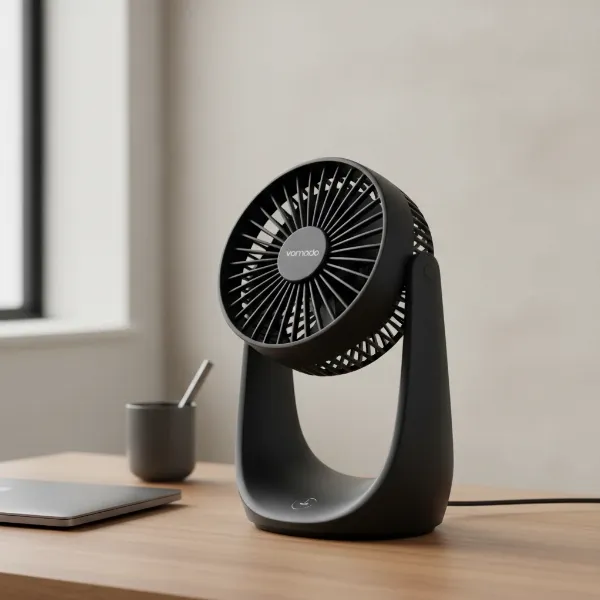
As the chill of winter approaches, our trusty electric fans, once lifesavers against the summer heat, are often relegated to a dusty corner. But simply stashing them away can lead to diminished performance, unnecessary wear and tear, and even mold growth when you retrieve them next season. Proper winter storage is a simple yet crucial step to prolong your fan’s lifespan, ensure optimal performance, and keep it in pristine condition for years to come. This guide will walk you through preparing your electric fan for its winter hibernation, ensuring it’s ready to bring cool relief when warmer days return.
Preparing Your Electric Fan for Winter Hibernation
The key to effective winter storage begins with thorough preparation. Neglecting these initial steps can lead to dust buildup, moisture issues, and even damage to mechanical parts.
The Essential Pre-Storage Clean-Up
Before packing away your fan, a comprehensive cleaning is paramount. Dust and grime accumulated over the summer can attract moisture, foster mold, and make your fan work harder and less efficiently next season.
- Unplug First: Always ensure the fan is unplugged from the power outlet before any cleaning or disassembly to prevent accidental starts.
- Vacuuming Grilles: Use a vacuum cleaner with a brush attachment to remove loose dust and lint from the front and back grilles. Work from top to bottom to collect debris effectively.
- Dismantle for Deeper Clean: For most electric fans (pedestal, table, tower, and box fans), the grilles and blades can be removed. Unclip tabs or unscrew fasteners to take apart the front grille and fan blades.
- Wash Blades and Grilles: Wash these components with warm, soapy water. For stubborn dirt, a soft-bristle brush can be effective. Rinse thoroughly under clean running water. For hard-to-reach spots on grilles, a cotton swab can be useful.
- Wipe Down Housing: Use a soft, damp cloth with warm soapy water to wipe down the stand, motor housing (ensuring no water enters the motor), and other exterior components.
- Dry Completely: This is a critical step. Ensure all parts are completely dry before reassembling or storing to prevent rust and mold growth. You can air dry them or use a clean, dry cloth.
|
Our Picks for the Best Electric fan in 2026
As an Amazon Associate I earn from qualifying purchases.
|
||
| Num | Product | Action |
|---|---|---|
| 1 | Dreo Fan for Bedroom, 120° Oscillating Standing Fans, Quiet Floor Fan with DC Motor, 100ft Pedestal Fans for Room, 9 Speeds, 4 modes, 20dB, 120° Manual Vertical, 37-42" Adjustable Height, 9H Timer |

|
| 2 | LEVOIT Tower Fan for Bedroom, 25ft/s Velocity Standing Fan with 28dB Quiet for Sleep, Remoter, 12H Timer, 5 Speeds, 4 Modes, 90° Oscillation for Home, Office, Indoor, Bladeless 36 inch, White |
|
| 3 | Lasko 2520 Oscillating Stand Fan,White 16 Inch |
|
| 4 | Dreo Fan for Bedroom, 120° Oscillating Standing Fan, Quiet Floor Fan with DC Motor, Pedestal Fan for Room, 9 Speeds, 4 modes, 20dB, 120° Manual Vertical, 37-42" Adjustable Height, 9H Timer, Black |
|
| 5 | Amazon Basics Air Circulator Fan, Desk Fan for Bedroom, Home and Office, With 90-Degree Tilt Head, 3 Speed Settings, Lightweight (3 LBS), 35 Watts, Black, 11.1"W x 6.3"D x 10.9"H |
|
| 6 | Dreo Tower Fan for Bedroom, 25ft/s Velocity Quiet Floor Fan, 90° Oscillating Fans for Indoors with 4 Speeds, 4 Modes, 8H Timer, Standing Fans, Bladeless Fan, Black, Nomad One (DR-HTF007) |
|
| 7 | Viniper Portable Rechargeable Fan, Small Desk Fan : 3 Speeds & about 8-24 Hours Longer Working, 180 Rotation, Portable Desktop Fan Small but Mighty, Strong Wind (White, Light Black Blade)6.2 Inch |
|
| 8 | Amazon Basics 16" Pedestal Fan with Remote, Floor Fan, Standing Fan for Bedroom, Living Room, Office, with 3 Speeds, 3 Modes, Timer, Dual-Layered Blades, Adjustable Height, Tilt Head, 60W, Black |
|
| 9 | 10" Modern Standing Fan for Bedroom, Sleek Oscillating Pedestal Fan, 3-Speed & Height Adjustable Compact Floor Fan for Home Office & Dorm |
|
| 10 | XPOWER FC-100S Multipurpose 11 Pro Air Circulator Utility Fan with Oscillating Feature |
|
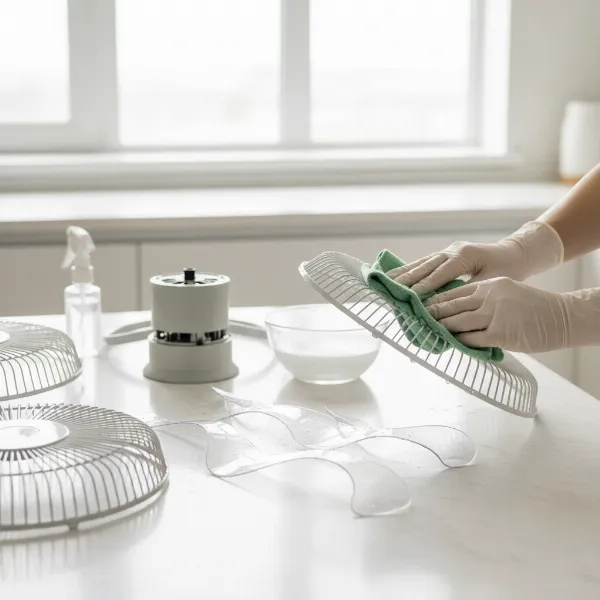 A person thoroughly cleaning an electric fan before winter storage to prevent dust and mold
Disassembly and Inspection
For many fans, especially larger pedestal or box fans, disassembling them can save significant storage space and allow for better cleaning.
- Follow Manufacturer’s Instructions: If your fan came with an instruction manual, refer to it for specific disassembly and reassembly guidelines.
- Check for Wear: While cleaning, take the opportunity to inspect blades for cracks, grilles for damage, and the power cord for any fraying or exposed wires. Addressing these issues now can prevent future hazards or performance problems.
- Organize Small Parts: If disassembling, place screws, nuts, and other small parts in a labeled plastic bag or small container. This prevents loss and makes reassembly much easier.
Optimal Storage Solutions for Longevity
Once your fan is spotless and dry, the next step is to choose the right storage method and location to protect it from the elements.
Choosing the Right Storage Location
The environment where your fan rests for the winter plays a significant role in its long-term health.
- Dry and Cool: Opt for a dry, cool, and relatively dust-free environment. Garages, basements, or attics can be suitable if they are free from excessive humidity and extreme temperature fluctuations. Moisture is the enemy, leading to rust and mold.
- Off the Ground: To protect against unexpected dampness or pests, store your fan off the ground. A sturdy shelf, a plank, or a pallet can provide adequate elevation.
- Protected Area: Isolate your fan in a protected area where it won’t be easily bumped, knocked over, or have heavy objects stacked on it.
Protecting Your Fan from Dust and Damage
Even in a clean storage space, dust and accidental damage are potential threats.
- Original Packaging: The best storage solution is often the fan’s original box. These boxes are typically designed to fit the fan securely and offer good protection. If you dismantled the fan, placing the parts back in the original box (with small parts secured) is ideal. Seal the box and label it.
- Dedicated Dust Covers: If you don’t have the original box, consider purchasing a fan dust cover. These are often made from breathable fabric and can effectively shield your fan from dust, moisture, scratches, and sun damage.
- Improvised Covers: An old sheet, pillowcase, or large towel can serve as a temporary dust cover. For added protection against moisture, you can place a plastic bag over the head of the fan and secure it with string or tape. However, avoid using black plastic for prolonged storage as it can trap heat and moisture.
- Store Upright: Whenever possible, store your fan in an upright position. This prevents any unnecessary pressure on the blades or motor, which could lead to warping or misalignment over time.
 An electric fan neatly covered for winter storage, protected from dust and damage
Special Considerations for Different Fan Types
While general principles apply, some fan types benefit from specific attention.
- Box and Window Fans: These are generally more compact when stored and often fit well into their original packaging or can be easily covered.
- Tower Fans: Due to their tall, slender design, tower fans should always be stored upright to prevent tipping and internal damage. Their grilles are often not easily removable for deep cleaning, so a strong vacuum and compressed air can be helpful for internal dust.
- Ceiling Fans: Unlike portable fans, ceiling fans typically remain installed year-round. For winter, it’s recommended to reverse their blade direction (clockwise) and operate them at a low speed to circulate warm air more efficiently, rather than storing them. If you have an outdoor ceiling fan, and it’s not damp- or wet-rated, consider relocating it to a more sheltered area or indoors if feasible, to protect it from harsh winter elements.
Common Mistakes to Avoid When Storing Your Electric Fan
Avoiding these common pitfalls can save you headaches and expenses down the line.
- Storing a Dirty Fan: This is perhaps the biggest mistake. Dust and grime become caked on, can attract pests, and grow mold, making your fan unhygienic and less efficient for future use.
- Storing in Humid or Extreme Environments: Damp basements, leaky sheds, or attics with drastic temperature swings are detrimental. Humidity can cause rust and electronic corrosion, while extreme temperatures can degrade plastic components and wiring.
- Stacking Heavy Objects: Never place heavy boxes or items on top of your stored fan. This can damage the motor, blades, or housing, rendering it unusable.
- Using Non-Breathable or Opaque Covers Improperly: While plastic bags offer moisture protection, if sealed too tightly or used without prior thorough drying, they can trap residual moisture, encouraging mold. Avoid black plastic for long-term storage as it can absorb and trap heat.
Ensuring Your Fan is Ready for Next Season
When spring arrives, and you’re ready to bring your fan out of hibernation, a quick check-up will ensure it’s ready to go. Simply wipe off any accumulated dust from the cover, ensure all parts are secure, and then plug it in for a test run. Listen for any unusual noises and confirm it operates smoothly.
Conclusion
Taking the time to properly store your electric fan during the winter months is a small effort with significant long-term benefits. By thoroughly cleaning, carefully covering, and storing it in an optimal environment, you not only preserve its functionality and appearance but also extend its lifespan, saving you money on replacements. Treat your electric fan with a little winter care, and it will repay you with cool, refreshing breezes for many summers to come. What steps will you take this year to ensure your fan is perfectly prepped for its winter nap?
Frequently Asked Questions
Why is it important to clean my fan before storing it for winter?
Cleaning your fan before winter storage is crucial to prevent the buildup of dust, dirt, and lint, which can attract moisture and lead to mold growth or rust. A clean fan also operates more efficiently, pushing cleaner air and requiring less energy when you bring it out for the next season.
Can I store my electric fan in a garage or attic during winter?
You can store your electric fan in a garage or attic, but only if these spaces are dry, free from excessive humidity, and don’t experience extreme temperature fluctuations. Dampness and temperature extremes can lead to rust, mold, and degradation of plastic and electronic components, so assess your storage area carefully.
Should I disassemble my electric fan for storage, or keep it assembled?
Disassembling your electric fan for storage is often recommended, especially if you have the original box. It can save space and allow for a more thorough cleaning of individual components. However, if you prefer to keep it assembled, ensure it is covered properly and stored upright to protect the blades and motor.
What should I use to cover my fan when storing it for several months?
The best option is the fan’s original packaging or a dedicated breathable fabric dust cover. If those aren’t available, a clean, old sheet, pillowcase, or large towel works well to protect against dust. You can also use a plastic bag over the fan head for added moisture protection, ensuring the fan is completely dry beforehand.