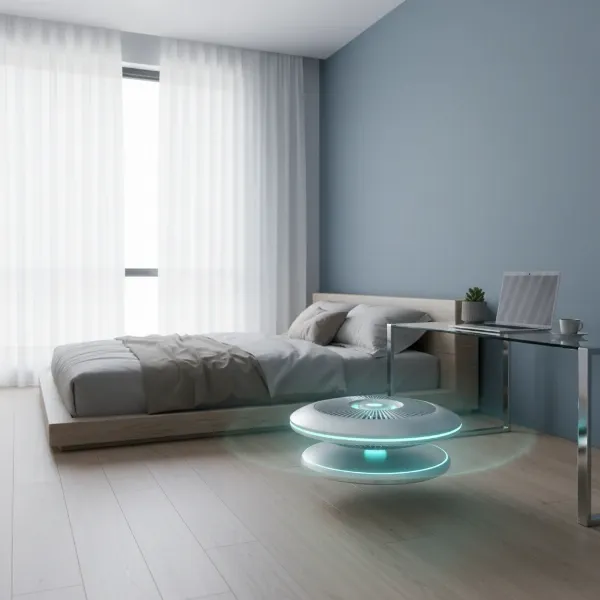
Living in a dorm room or a compact apartment often means contending with limited space and, frequently, stuffy conditions. The right electric fan isn’t just a luxury; it’s an essential tool for creating a comfortable and productive environment, whether you’re studying late, trying to sleep soundly, or simply relaxing after a long day. Choosing the perfect electric fan can significantly improve air circulation, provide much-needed cooling, and even help drown out ambient noise. This guide will help you navigate the world of compact cooling, ensuring you find an electric fan that perfectly fits your small living space and lifestyle.
Electric Fans: Overview and Popular Types
Electric fans have evolved significantly from their early designs, offering a diverse range of options tailored for various needs and spaces. For dorm rooms and small apartments, the primary considerations are usually size, noise level, and cooling power.
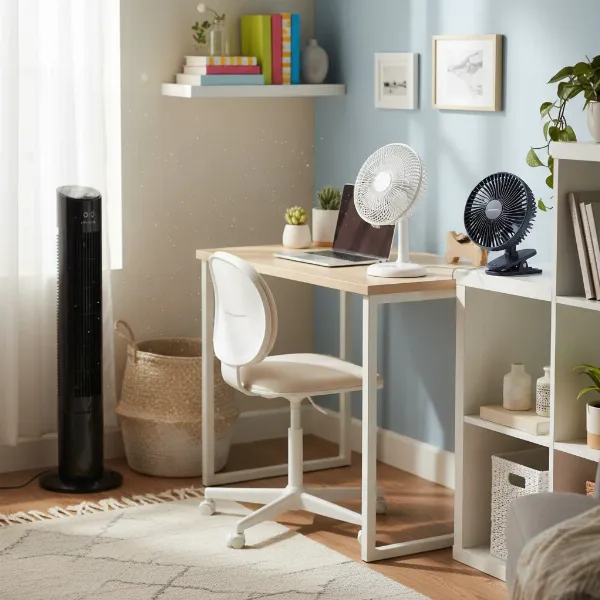 An assortment of electric fans suitable for small spaces, including table, tower, and clip fans.
- Table Fans: These are perhaps the most common and versatile choice for personal cooling. Designed to sit on a desk, nightstand, or shelf, table fans are compact and provide direct airflow. They are ideal for individual use, such as while working, studying, or sleeping, and are easily portable between different surfaces.
- Tower Fans: Characterized by their tall, slender, vertical design, tower fans are excellent space-savers. Many models feature oscillation, distributing air across a wider area without taking up much floor space. They are a popular choice for cooling an entire small room or a larger portion of it, making them suitable for both dorms and small apartments.
- Clip Fans: For ultimate space-saving, clip fans are a fantastic option. These small, lightweight fans can be clipped onto a bed frame, desk edge, or shelf, providing targeted airflow exactly where you need it without occupying any surface area. They are perfect for highly cramped spaces or for creating a personal breeze.
- Pedestal Fans (Compact Versions): While traditional pedestal fans can be quite large, some manufacturers offer more compact versions suitable for smaller rooms. These provide adjustable height and powerful airflow, often with oscillation, making them versatile for directing air over beds or seating areas.
- Air Circulators: Unlike traditional fans that blow air directly, air circulators are designed to move air throughout the entire room, creating a more consistent temperature. They can be compact yet powerful, often utilizing unique blade designs or vortex technology to achieve whole-room air movement, which can be very effective in small, stuffy spaces.
How to Choose the Right Electric Fan
Selecting the best electric fan for your small space involves balancing your needs with the fan’s features. Here’s a breakdown of what to consider.
Determine Your Usage Needs
Before diving into models, think about how and where you’ll use your fan.
- Room Size: A dorm room might benefit most from a personal table or clip fan, while a small apartment living room could warrant a tower fan or air circulator for broader coverage. Consider the cubic footage of your space to match it with the fan’s airflow capacity.
- Purpose of Use: Are you seeking a fan primarily for personal cooling at your desk, for ambient airflow during sleep, or to improve general ventilation? Some fans excel at focused cooling, while others are better at circulating air throughout a room. If you need a fan for sleeping or studying, noise level will be a paramount concern, and some fans even offer white noise features.
- Budget: Electric fans range widely in price. Determine how much you’re willing to spend, keeping in mind that higher-priced models often come with advanced features, quieter operation, and greater durability.
|
Our Picks for the Best Electric fan in 2026
As an Amazon Associate I earn from qualifying purchases.
|
||
| Num | Product | Action |
|---|---|---|
| 1 | Viniper Portable Rechargeable Fan, Small Desk Fan : 3 Speeds & about 8-24 Hours Longer Working, 180 Rotation, Portable Desktop Fan Small but Mighty, Strong Wind (White, Light Black Blade)6.2 Inch |

|
| 2 | Lasko 2520 Oscillating Stand Fan,White 16 Inch |
|
| 3 | 10" Modern Standing Fan for Bedroom, Sleek Oscillating Pedestal Fan, 3-Speed & Height Adjustable Compact Floor Fan for Home Office & Dorm |
|
| 4 | XPOWER FC-100S Multipurpose 11 Pro Air Circulator Utility Fan with Oscillating Feature |
|
| 5 | Dreo Tower Fan for Bedroom, 25ft/s Velocity Quiet Floor Fan, 90° Oscillating Fans for Indoors with 4 Speeds, 4 Modes, 8H Timer, Standing Fans, Bladeless Fan, Black, Nomad One (DR-HTF007) |
|
| 6 | Amazon Basics Air Circulator Fan, Desk Fan for Bedroom, Home and Office, With 90-Degree Tilt Head, 3 Speed Settings, Lightweight (3 LBS), 35 Watts, Black, 11.1"W x 6.3"D x 10.9"H |
|
| 7 | Amazon Basics 16" Pedestal Fan with Remote, Floor Fan, Standing Fan for Bedroom, Living Room, Office, with 3 Speeds, 3 Modes, Timer, Dual-Layered Blades, Adjustable Height, Tilt Head, 60W, Black |
|
| 8 | Dreo Fan for Bedroom, 120° Oscillating Standing Fan, Quiet Floor Fan with DC Motor, Pedestal Fan for Room, 9 Speeds, 4 modes, 20dB, 120° Manual Vertical, 37-42" Adjustable Height, 9H Timer, Black |
|
| 9 | LEVOIT Tower Fan for Bedroom, 25ft/s Velocity Standing Fan with 28dB Quiet for Sleep, Remoter, 12H Timer, 5 Speeds, 4 Modes, 90° Oscillation for Home, Office, Indoor, Bladeless 36 inch, White |
|
| 10 | Dreo Fan for Bedroom, 120° Oscillating Standing Fans, Quiet Floor Fan with DC Motor, 100ft Pedestal Fans for Room, 9 Speeds, 4 modes, 20dB, 120° Manual Vertical, 37-42" Adjustable Height, 9H Timer |
|
Key Criteria When Choosing
Once you know your needs, evaluate fans based on these critical criteria:
- Power and Airflow (CFM): Measured in Cubic Feet per Minute (CFM), this indicates how much air the fan moves. For small spaces, you might not need the highest CFM, but sufficient airflow is essential for effective cooling. Look for fans that can efficiently circulate air in your specific room size.
- Noise Level (dB): This is arguably the most important factor for dorms and apartments, especially if the fan will be used during sleep or study. Look for models explicitly advertised as “quiet” or “whisper-quiet.” Many brands provide decibel (dB) ratings; generally, fans operating below 30 dB on their lowest settings are considered very quiet and suitable for bedrooms.
- Features: Modern electric fans come with a host of features that enhance convenience and performance:
- Oscillation: Allows the fan head to sweep from side to side, distributing air over a wider area.
- Multiple Speed Settings: Offers flexibility to adjust airflow from a gentle breeze to a powerful gust.
- Timer Function: Automatically turns the fan off after a set period, saving energy and providing peace of mind.
- Remote Control/Smart Controls: Essential for convenience, allowing you to adjust settings without getting up. Some advanced fans offer app control or voice assistant compatibility.
- Night Mode/Sleep Settings: Often reduces fan speed and noise, sometimes dimming indicator lights, for undisturbed sleep.
- Adjustable Tilt/Height: Provides flexibility in directing airflow.
- Bladeless Design: Safer for households with children or pets and generally easier to clean (e.g., Dyson).
- Brand and Reliability: Reputable brands often offer better build quality, performance, and customer support. Checking reviews from other users can provide insight into a fan’s long-term reliability.
- Energy Efficiency: Look for fans with DC motors or specific energy-saving modes, as they consume less power, which can be beneficial for utility bills, especially if the fan runs for extended periods.
Comparing Popular Electric Fan Types for Small Spaces
Understanding the trade-offs between fan types is key to making an informed decision for a compact living space.
- Table Fans:
- Pros: Highly portable, budget-friendly, excellent for personal cooling, small footprint.
- Cons: Limited coverage for a whole room, can take up valuable desk/shelf space.
- Best for: Desks, nightstands, small personal zones in dorms.
- Tower Fans:
- Pros: Slim design saves floor space, wide oscillation for room coverage, often quieter than traditional fans, many features like remotes/timers.
- Cons: Less direct airflow than a personal fan, can be more expensive than basic table fans.
- Best for: Cooling entire small rooms, providing ambient air circulation in apartments.
- Clip Fans:
- Pros: Takes up no surface space, highly directed airflow, very portable.
- Cons: Primarily for personal use, limited power for larger areas.
- Best for: Bunk beds, specific workstations, maximizing surface space in tiny dorms.
- Air Circulators:
- Pros: Efficiently moves air throughout the entire room, effective for improving overall comfort, often compact for their power.
- Cons: Can sometimes be noisier at higher settings than dedicated “quiet” fans, may not provide a strong “breeze” feel.
- Best for: Enhancing air conditioning, improving ventilation in stuffy small apartments.
Top Electric Fans for Dorm Rooms and Small Apartments
When it comes to outfitting a compact living space, certain electric fan characteristics consistently rise to the top. Here’s a look at the types of fans that excel in dorms and small apartments, focusing on what makes them ideal for these environments.
- Ultra-Quiet Tower Fans: Brands like Dreo and Honeywell often offer tower fans with “QuietSet” or “TurboSilent” technologies, operating as low as 25-30 dB. These models are highly favored for bedrooms and shared living spaces, providing powerful airflow without disruptive noise. Many feature multiple speed settings, oscillation, and remote controls for ultimate convenience. Their slim vertical design is a natural fit for tight corners.
- Compact Air Circulators: Vornado’s compact air circulators are renowned for their ability to move air throughout an entire room effectively. Models like the Vornado VFAN Jr. or similar compact units provide a powerful, focused stream of air that helps equalize room temperature. While some can produce a consistent “whoosh” sound at higher settings, their ability to circulate air efficiently across a space is a significant advantage in small, poorly ventilated rooms.
- Portable Desktop Fans with Strong Airflow: For personal cooling, compact yet powerful desktop fans like the Honeywell HT-900 TurboForce are consistently recommended. These small powerhouses offer impressive airflow for their size, with adjustable heads to direct the breeze precisely. They are excellent for students at a desk or anyone needing a focused cool-down.
- Slim Oscillating Desk/Clip Fans: Products like the Lasko Air Stik Ultra Slim Oscillating Fan or various clip-on designs offer maximum flexibility. These fans are incredibly slender or attach directly to furniture, providing oscillation to cover a personal space without clutter. They are perfect for dorm dwellers who need every inch of surface space.
- Smart Fans: Newer models from brands like Levoit offer smart features such as Wi-Fi connectivity, app control, and compatibility with voice assistants (Alexa, Google Assistant). These enhance user convenience, allowing for advanced scheduling and remote operation, which is a significant benefit in any living situation where ease of use is valued.
Tips for Using and Maintaining Your Electric Fan
To ensure your electric fan operates effectively, safely, and for many years, proper usage and maintenance are key.
Proper Fan Cleaning
Regular cleaning is crucial for maintaining optimal airflow and preventing dust buildup, which can reduce efficiency and even pose a fire hazard.
- Frequency: Aim to clean your fan every 2-4 weeks during regular use, more often if you live in a dusty environment or have pets.
- Tools Needed: A microfiber cloth, a vacuum cleaner with a brush attachment, compressed air, and mild soap with water for washable parts.
- Steps for Cleaning:
- Unplug the fan: Always disconnect power before cleaning.
- Disassemble (if possible): For many fans, the grille can be removed. Consult your fan’s manual.
- Dust removal: Use a vacuum or compressed air to remove loose dust from blades, grilles, and motor vents.
- Wipe down: Use a damp microfiber cloth with mild soap to wipe down blades and grilles. Ensure parts are completely dry before reassembling. For bladeless fans, simply wipe down the exterior and air inlets.
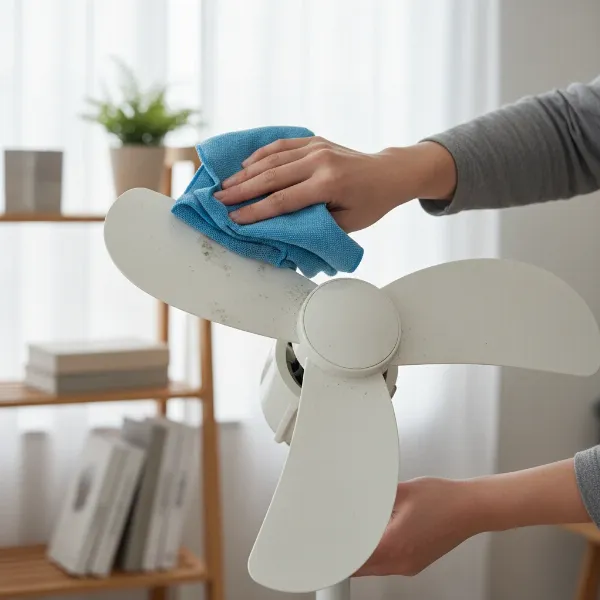 A person cleaning the dusty blades of an electric fan with a damp microfiber cloth.
Safe and Efficient Use
Maximizing your fan’s benefits while ensuring safety involves smart placement and operation.
- Strategic Placement:
- Near a window: To draw in cooler outside air or push out stale air.
- In a corner: An oscillating tower fan in a corner can effectively circulate air throughout a small room.
- Elevated surfaces: For desk or table fans, elevate them to head-level for optimal personal cooling.
- Pointed at the bed: For sleeping, directing the fan towards your bed can create a comfortable microclimate.
- Adjust Speed Appropriately: Use lower settings for quiet background circulation and higher settings when you need a stronger cooling effect. Running the fan on maximum speed unnecessarily can increase noise and energy consumption.
- Avoid Continuous Operation: While fans are designed for extended use, giving them a break, especially during cooler parts of the day or when you leave the room, can prolong motor life and save energy. Utilize timer functions when available.
Fan Maintenance for Extended Lifespan
Beyond regular cleaning, a few simple maintenance practices can significantly extend your fan’s operational life.
- Check for Wear: Periodically inspect the power cord for fraying or damage and the fan housing for cracks. Address any issues promptly.
- Keep Vents Clear: Ensure the motor’s air intake and exhaust vents are not blocked, allowing for proper heat dissipation.
- Proper Storage: When not in use, especially during colder months, store your fan in a dry, dust-free place, ideally in its original box or covered to prevent dust accumulation.
Where to Purchase Reliable Electric Fans
Finding a reliable electric fan is just as important as choosing the right type. You have several options for purchasing.
- Major Electronics Retailers: Stores like Best Buy, Walmart, or Target offer a wide selection of brands and models. Shopping in-store allows you to see the fan’s size, feel its build quality, and sometimes even hear its noise level.
- Department Stores and Supermarkets: Many large chain stores carry basic to mid-range electric fans, especially during warmer seasons. These can be convenient options for common models.
- Online Marketplaces: Websites like Amazon, official brand websites (e.g., Dreo, Levoit), or other e-commerce platforms provide the widest selection, competitive pricing, and often detailed customer reviews.
- Considerations When Buying:
- Check Warranty: Always verify the manufacturer’s warranty and the retailer’s return policy. A good warranty provides peace of mind regarding product defects.
- Inspect Product: If buying in-store, check for any visible damage. If buying online, inspect the fan upon arrival.
- Read Reviews: Prioritize products with a high volume of positive reviews from verified purchasers, especially those mentioning performance in small spaces or specific uses like sleeping.