As an experienced technician who has spent over a decade deeply immersed in the world of electric fans, I’ve seen firsthand how these essential cooling devices can bring comfort—and sometimes, unexpected risks. While electric fans are designed for convenience, a lack of awareness about common safety hazards can turn a simple appliance into a potential danger. Understanding these pitfalls is not just about avoiding malfunctions; it’s about protecting your home and loved ones. Let’s explore the critical safety aspects of electric fans, ensuring you can enjoy a refreshing breeze without compromise.
Electric Fan Safety: An Overview of Common Risks
Electric fans, from the classic pedestal to the sleek bladeless models, have a rich history of keeping us cool. However, beneath their simple operation lies a complex electrical system that, if neglected, can pose various threats. Broadly, these hazards fall into three main categories: electrical issues, potential fire risks, and physical dangers. Recognizing these distinctions is the first step toward safeguarding your home. We’ll delve into each area, offering practical advice drawn from years of hands-on experience and industry best practices.
Essential Guidelines for Safe Electric Fan Use
Ensuring the safe operation of your electric fan involves a combination of careful handling, proper placement, and diligent awareness. It’s about creating a safe environment where your fan can function optimally without posing a risk.
Electrical Safety Best Practices
|
Our Picks for the Best Electric fan in 2026
As an Amazon Associate I earn from qualifying purchases.
|
||
| Num | Product | Action |
|---|---|---|
| 1 | LEVOIT Tower Fan for Bedroom, 25ft/s Velocity Standing Fan with 28dB Quiet for Sleep, Remoter, 12H Timer, 5 Speeds, 4 Modes, 90° Oscillation for Home, Office, Indoor, Bladeless 36 inch, White |

|
| 2 | Amazon Basics 16" Pedestal Fan with Remote, Floor Fan, Standing Fan for Bedroom, Living Room, Office, with 3 Speeds, 3 Modes, Timer, Dual-Layered Blades, Adjustable Height, Tilt Head, 60W, Black |
|
| 3 | Dreo Fan for Bedroom, 120° Oscillating Standing Fan, Quiet Floor Fan with DC Motor, Pedestal Fan for Room, 9 Speeds, 4 modes, 20dB, 120° Manual Vertical, 37-42" Adjustable Height, 9H Timer, Black |
|
| 4 | 10" Modern Standing Fan for Bedroom, Sleek Oscillating Pedestal Fan, 3-Speed & Height Adjustable Compact Floor Fan for Home Office & Dorm |
|
| 5 | Lasko 2520 Oscillating Stand Fan,White 16 Inch |
|
| 6 | Dreo Tower Fan for Bedroom, 25ft/s Velocity Quiet Floor Fan, 90° Oscillating Fans for Indoors with 4 Speeds, 4 Modes, 8H Timer, Standing Fans, Bladeless Fan, Black, Nomad One (DR-HTF007) |
|
| 7 | Dreo Fan for Bedroom, 120° Oscillating Standing Fans, Quiet Floor Fan with DC Motor, 100ft Pedestal Fans for Room, 9 Speeds, 4 modes, 20dB, 120° Manual Vertical, 37-42" Adjustable Height, 9H Timer |
|
| 8 | XPOWER FC-100S Multipurpose 11 Pro Air Circulator Utility Fan with Oscillating Feature |
|
| 9 | Amazon Basics Air Circulator Fan, Desk Fan for Bedroom, Home and Office, With 90-Degree Tilt Head, 3 Speed Settings, Lightweight (3 LBS), 35 Watts, Black, 11.1"W x 6.3"D x 10.9"H |
|
| 10 | Viniper Portable Rechargeable Fan, Small Desk Fan : 3 Speeds & about 8-24 Hours Longer Working, 180 Rotation, Portable Desktop Fan Small but Mighty, Strong Wind (White, Light Black Blade)6.2 Inch |
|
The electrical components are the heart of any fan, and their integrity is paramount. Always make it a habit to check the fan’s power cord, plug, and the wall socket before each use. Look for frayed wires, cracked insulation, bent prongs, or any signs of discoloration or burning around the plug and socket. These could indicate overheating or a faulty connection, which can lead to electric shock or fire. Never use an extension cord unless absolutely necessary, and ensure it is rated for the fan’s power consumption. Overloading electrical outlets is a common cause of home fires, so avoid plugging multiple high-wattage devices into a single socket.
It’s crucial to connect and disconnect the fan’s power cord correctly. Always switch off the fan and pull the plug directly from the socket, rather than tugging on the cord itself. This prevents damage to the cord and the internal wiring connections.
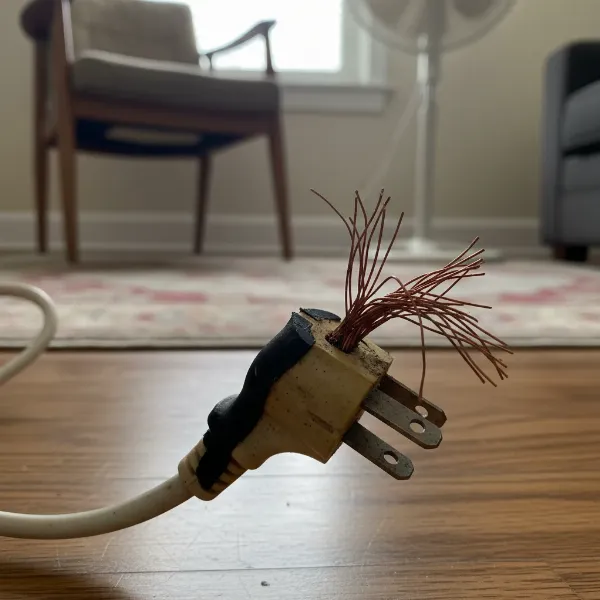 A close-up of a damaged electric fan power cord with frayed wires and a bent plug.
Preventing Fire Hazards
Fire is one of the most serious safety concerns with electric fans. Older fans, or those left running unattended for extended periods, can overheat. This is especially true for models with motors that have accumulated dust and debris over time, hindering proper ventilation and causing them to work harder. Never leave an electric fan running overnight while you sleep or when you leave your house. This is a critical habit to adopt. Ensure your home has working smoke alarms on every floor, and test them regularly. If you ever notice a burning smell, unusual noises, or excessive heat coming from your fan, switch it off immediately at the socket and unplug it. Do not attempt to use it again until it has been professionally inspected or replaced.
Mitigating Physical Dangers
Beyond electrical and fire risks, physical hazards can also arise, particularly in homes with children and pets. Always place your fan on a flat, stable surface where it cannot easily be knocked over or fall. A fan tipping over can not only damage the unit but also cause injury, especially if it lands on a person or animal, or if its blades break off.
For homes with curious little ones or playful pets, take extra precautions. Ensure fan guards are securely in place to prevent fingers or paws from reaching rotating blades. Keep cords out of reach, as children and pets might chew on them, exposing live wires and creating a shock hazard. Position fans away from curtains, loose papers, or other lightweight objects that could be drawn into the blades, potentially causing damage or overheating.
“Many overlooked fan hazards stem from improper placement and neglecting basic electrical checks. A fan balanced precariously or with a damaged cord is a risk waiting to happen.” – Johnathan Reed, Certified Electrical Safety Inspector
Choosing a Safe Electric Fan: What to Look For
The journey to safe fan use often begins at the point of purchase. Investing in a fan that meets high safety standards can significantly reduce potential risks.
When buying a new electric fan, always purchase from reputable retailers and well-known brands. Avoid buying second-hand fans or those from unverified online sellers, as they might have hidden defects, lack proper safety certifications, or be counterfeit products. A fan from a trusted source is more likely to meet safety regulations and come with a reliable warranty.
Upon purchasing, always register your new fan with the manufacturer. This simple step ensures you’ll be directly notified in case of a safety recall or product advisory, allowing you to take immediate action if a potential hazard is identified. Look for fans that include safety features such as automatic shut-off in case of overheating or tipping, and sturdy, well-designed blade guards.
Maintenance Tips for Long-Term Fan Safety
Even the safest fan can become a hazard without proper care. Regular maintenance is key to extending its lifespan and ensuring continued safe operation.
Regular Cleaning and Inspection
Dust is an electric fan’s silent enemy. Over time, dust and lint accumulate on the blades, motor, and internal components. This buildup forces the motor to work harder, increasing its operating temperature and significantly raising the risk of overheating and fire. Make it a habit to clean your fan regularly. For most fans, this involves unplugging the unit, removing the front grille, and carefully wiping down the blades and motor housing with a damp cloth or vacuuming away dust. Always ensure the fan is completely dry before reassembling and plugging it back in. Beyond cleaning, conduct visual inspections for any loose screws, rattling parts, or unusual play in the fan head or base.
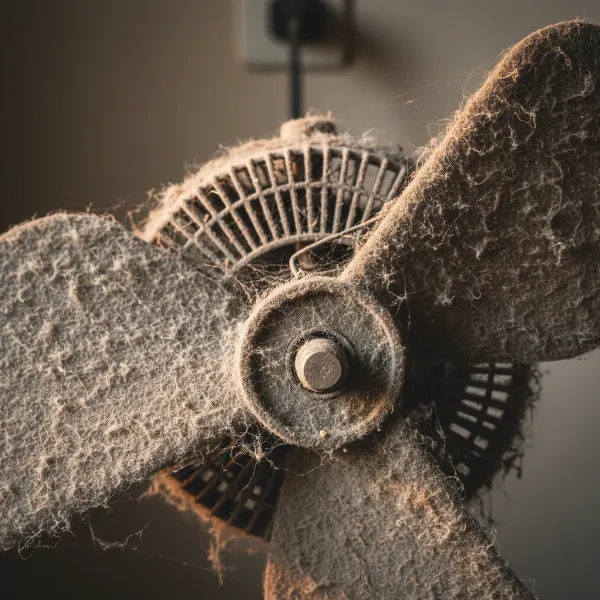 A close-up of a neglected electric fan motor and blades covered in thick dust.
Knowing When to Replace Your Fan
Electric fans are not designed to last forever. Like any appliance, their components wear down over time. A good rule of thumb is to consider replacing fans that are several years old, especially if they show signs of wear and tear. If your fan starts making unusual noises (grinding, buzzing, excessive rattling), emits a burning smell, runs hotter than usual, or experiences intermittent power, it’s a clear signal that its internal components are failing. Continuing to use such a fan can be dangerous. It’s often safer and more cost-effective in the long run to invest in a new, energy-efficient model rather than risk a major safety incident.
Where to Find Reliable Electric Fan Safety Information
For the most accurate and up-to-date safety information, always refer to the manufacturer’s manual that comes with your specific fan model. These manuals contain crucial details about proper assembly, operation, and maintenance tailored to your device. Additionally, reputable electrical safety organizations and consumer product safety commissions often publish comprehensive guides and alerts regarding appliance safety. Cross-referencing information from multiple credible sources ensures you have the most reliable advice.
Your Electric Fan Safety Checklist
Making informed decisions about your electric fan involves a few key considerations that prioritize safety above all else. Use this checklist as a quick guide.
Is Your Fan Adequately Inspected?
Before plugging in, always perform a quick visual check. Is the cord intact? Is the plug free of damage? Is the fan clean and free of excessive dust accumulation? Are all guards securely fastened?
Is Your Home Environment Fan-Safe?
Consider where you place your fan. Is it on a stable surface? Is it away from sources of water or flammable materials? Are cords out of reach of children and pets? Is there adequate ventilation around the fan for the motor to cool?
Are You Following Manufacturer Guidelines?
Have you read the manual for your specific fan model? Are you adhering to the recommended usage times and cleaning instructions? This simple step ensures you’re using the fan as intended, minimizing risks.
Conclusion
Electric fans are a staple in many homes, offering a simple yet effective way to beat the heat. However, their pervasive presence often leads us to underestimate the potential safety hazards they can pose. By understanding the risks associated with electrical malfunctions, fire, and physical dangers, and by adopting proactive safety measures—from careful purchasing and proper placement to regular maintenance and knowing when to replace an old unit—you can significantly enhance the safety of your home. Always remember that diligence and awareness are your best allies in preventing accidents. What steps will you take today to ensure your electric fan is operating as safely as possible?
Frequently Asked Questions
How often should I clean my electric fan to prevent hazards?
You should aim to clean your electric fan at least once a month, or more frequently if it’s used daily or in dusty environments. Regular cleaning prevents dust buildup that can cause the motor to overheat and become a fire hazard.
Is it safe to repair a damaged electric fan myself?
It is generally not safe to repair a damaged electric fan yourself, especially if the damage involves electrical components or wiring. Tampering with electrical appliances without expert knowledge can lead to electric shock, further damage, or fire. It’s always best to consult a qualified technician or replace the fan.
Can an electric fan cause an electrical fire?
Yes, an Electric Fan can cause an electrical fire. Common causes include frayed or damaged power cords, faulty wiring, an overheated motor due to dust buildup or prolonged use, and using the fan with an overloaded electrical circuit. Always follow safety guidelines to minimize this risk.