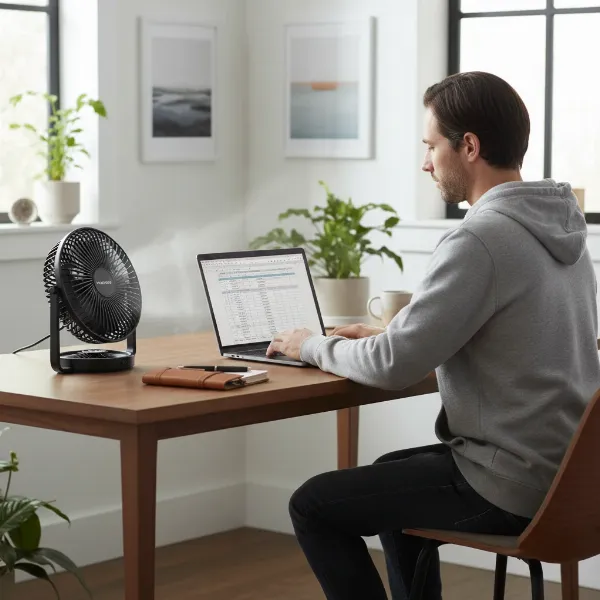
Has your once-silent electric fan started to whimper, grind, or even develop an irritating squeak? These tell-tale signs often point to one common culprit: dry fan bearings. Just like any mechanical component with moving parts, the bearings in your electric fan require proper lubrication to operate smoothly and efficiently. Neglecting this simple maintenance task can lead to reduced performance, increased noise, and ultimately, premature failure of your beloved appliance.
This comprehensive guide will walk you through everything you need to know about lubricating your electric fan’s bearings with machine oil. We’ll delve into the different types of bearings, help you choose the ideal lubricant, provide a clear, step-by-step process for application, and offer essential maintenance tips to keep your fan spinning quietly for years to come. By the end, you’ll have the knowledge to transform your noisy fan back into a refreshing breeze provider.
Understanding Electric Fan Bearings and Lubrication Needs
Before you grab your oil can, it’s helpful to understand what kind of bearings your fan uses and why they need lubrication. Different bearing types have varying lubrication requirements.
Types of Fan Bearings
Most household electric fans utilize one of two primary bearing types, or a hybrid:
- Sleeve Bearings (Oilite/Bushings): These are the most common and often require periodic lubrication. Sleeve bearings are typically made from porous metal, impregnated with oil during manufacturing. Over time, this oil can dry out, leading to friction and noise. They rely on a thin film of oil between the shaft and the sleeve to reduce drag.
- Ball Bearings: Less common in standard household fans but found in some higher-end models or industrial fans, ball bearings use small metal balls to reduce friction. Many ball bearings are “sealed” and designed to be maintenance-free, as they are pre-lubricated for life. However, some accessible ball bearings can benefit from re-lubrication.
- Hydraulic Bearings: An advancement of sleeve bearings, hydraulic bearings feature a larger oil reservoir and a unique oil supply loop, offering a longer lifespan and quieter operation than traditional sleeve bearings. They still rely on oil for function.
Why Lubrication Matters
The core purpose of lubrication is to minimize friction between moving parts. In an electric fan, the shaft rotates within the bearings. Without adequate lubrication, metal-on-metal contact occurs, leading to several issues:
- Reduced Efficiency: Friction creates resistance, forcing the motor to work harder, consume more energy, and potentially run hotter.
- Increased Noise: Dry bearings are a primary cause of irritating squeaks, grinding, and rattling sounds.
- Premature Wear and Damage: Continuous friction wears down the bearing surfaces, leading to looseness, vibration, and eventual component failure.
- Shortened Lifespan: A fan with neglected bearings will inevitably fail much sooner than one that is properly maintained.
Recognizing the Need for Lubrication
Your fan often gives clear signals when its bearings are crying out for oil. Pay attention to these common symptoms:
- Noisy Operation: The most obvious sign is a persistent squealing, chirping, grinding, or rattling sound coming from the motor housing.
- Slow Startup or Stalling: If the fan takes longer than usual to reach its operating speed, or sometimes struggles to start altogether, it could indicate excessive friction in the bearings.
- Reduced Airflow: A fan that feels weaker than usual, even at high settings, might be experiencing drag from dry bearings, preventing the motor from spinning at its optimal RPM.
- Heat from the Motor: While some motor heat is normal, excessive warmth or a burning smell can suggest extreme friction and impending motor failure.
Choosing the Right Machine Oil for Your Electric Fan
Selecting the correct lubricant is paramount for effective and safe fan bearing maintenance. Using the wrong type of oil can do more harm than good, potentially causing further damage or even fire hazards.
Recommended Oils
For electric fan bearings, especially sleeve bearings, you need a light, non-detergent machine oil that won’t evaporate quickly or gum up the mechanism. Here are the top choices:
- Non-Detergent Electric Motor Oil: This is often the ideal choice, specifically designed for small electric motors. Look for 10, 15, or 20 weight oils. These oils are formulated to provide smooth, long-lasting lubrication without introducing harmful additives.
- Sewing Machine Oil: A widely available and effective option, sewing machine oil is a light, refined petroleum-based lubricant perfect for delicate moving parts.
- Light Machine Oil: Generic “light machine oil” or “household oil” without detergents can also work well. Brands like Zoom Spout oil (specifically for HVAC or motor/turbine use) are often recommended.
- Synthetic Motor Oil (e.g., 5W-30): Some technicians successfully use small amounts of synthetic automotive motor oil, like 5W-30, particularly for more robust fan motors. The synthetic nature helps it resist breaking down and forming varnish.
Oils to Avoid (and Why)
Just as important as knowing what to use, is knowing what not to use.
- WD-40: This is a common misconception. WD-40 is primarily a water displacement and penetrating fluid, not a long-term lubricant. While it can temporarily silence a squeak by cleaning out gunk, it quickly evaporates, leaving the bearings even drier than before and potentially attracting more dust. Use it only for cleaning, not for lubrication.
- Detergent Motor Oils: Most modern automotive motor oils contain detergents designed to clean engine internals. These detergents can gum up the porous material of sleeve bearings, causing more problems than they solve. Always opt for non-detergent varieties.
- Heavy Greases: Unless your fan’s manual specifically calls for it and provides a grease fitting (common in industrial fans with heavy-duty ball or roller bearings), avoid thick greases. They are too viscous for most small fan bearings and can impede movement.
- Cooking Oils or Silicone Sprays: These are entirely unsuitable. Cooking oils will go rancid and sticky, while silicone sprays often lack the lubricating properties needed for metal-on-metal contact and can degrade plastic components over time.
Essential Tools and Materials
Before you begin, gather these items:
- Screwdrivers: Philips and flathead, for fan disassembly.
- Small Applicator (Oil Can with a Spout or Syringe): For precise oil application.
- Cleaning Solvent (Optional, e.g., electrical contact cleaner, brake cleaner, or a small amount of WD-40 for cleaning only): To remove old, hardened lubricant and grime.
- Lint-Free Cloths or Cotton Swabs: For cleaning and wiping excess oil.
- Safety Glasses: Protect your eyes during disassembly and cleaning.
- Work Surface: A clean, well-lit area.
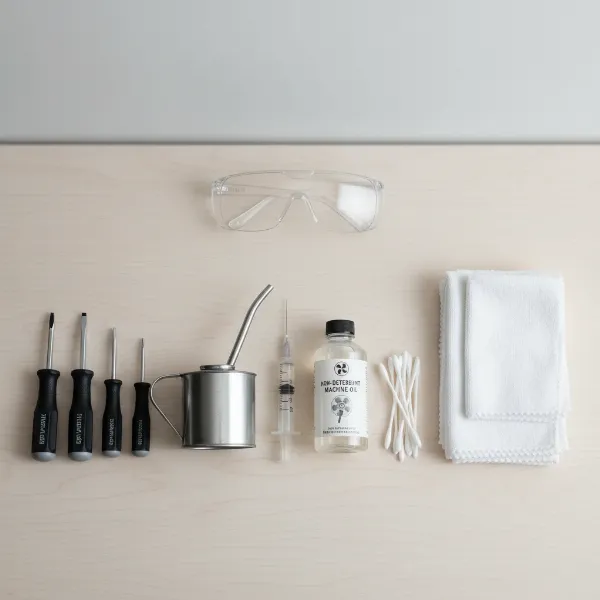 Essential tools for lubricating electric fan bearings, including screwdrivers, oil, cloths, and safety glasses.
Step-by-Step Guide to Lubricating Fan Bearings
Lubricating fan bearings is a straightforward process, but it requires patience and attention to detail. Always prioritize safety.
Safety First: Disassembly and Accessing the Motor
- Disconnect Power: Unplug the fan completely from the wall outlet. This is the most critical safety step.
- Disassemble the Fan: Carefully remove the front grill, fan blade, and rear grill. For pedestal or box fans, this usually involves unscrewing retaining clips, nuts, or screws. For ceiling fans, you’ll need to lower the motor housing.
- Access the Motor: You’ll likely need to partially or fully disassemble the motor housing to reach the bearings. This often means removing additional screws or clips. Take photos as you go to remember how everything fits back together.
Cleaning the Bearings
Once you have access to the motor shaft and bearings, thorough cleaning is essential. Old, dried-up oil can turn into a sticky varnish, hindering proper lubrication.
- Remove Old Residue: Use a lint-free cloth or cotton swab to wipe away any visible dust, grime, or old lubricant around the shaft and bearing points.
- Deep Clean (If Necessary): If the bearings appear heavily gummed up or varnished, apply a small amount of cleaning solvent (like electrical contact cleaner or a tiny bit of WD-40 for cleaning purposes) to a cloth or swab and gently clean the shaft and the visible parts of the bearings. Work the shaft back and forth by hand to help loosen stubborn residue.
- Caution: If using a solvent, ensure it’s safe for plastics and thoroughly dry the area before applying new oil. Never spray solvents directly into the motor windings.
- Dry Thoroughly: Allow any cleaning solvent to fully evaporate. You can use compressed air or simply let it air dry for a few minutes.
Applying the Machine Oil
Now it’s time to lubricate. Most fans have two bearings: one at the front (near the blade) and one at the rear of the motor.
- Locate Oil Ports or Bearing Points:
- Older Fans: May have small oil holes or refillable cups on top of the motor housing.
- Newer Fans (Sleeve Bearings): You’ll typically need to apply oil directly to the interface where the motor shaft enters the bearing housing on both the front and back. Some may have a label you can peel back to reveal an oil well.
- Apply Oil Precisely: Using your oil can with a thin spout or a syringe, apply 3-4 drops of your chosen machine oil to each bearing point. If there’s an oil hole, fill it slowly until the oil starts to drain.
- Tip: For sleeve bearings, rotate the shaft by hand multiple times after applying oil. This helps the oil penetrate the porous material and distribute evenly. You might even come back after 5-10 minutes and add a few more drops, spinning the shaft again.
- Wipe Excess: Use a clean, lint-free cloth to wipe away any excess oil from the exterior of the motor and housing. This prevents dust accumulation and potential drips.
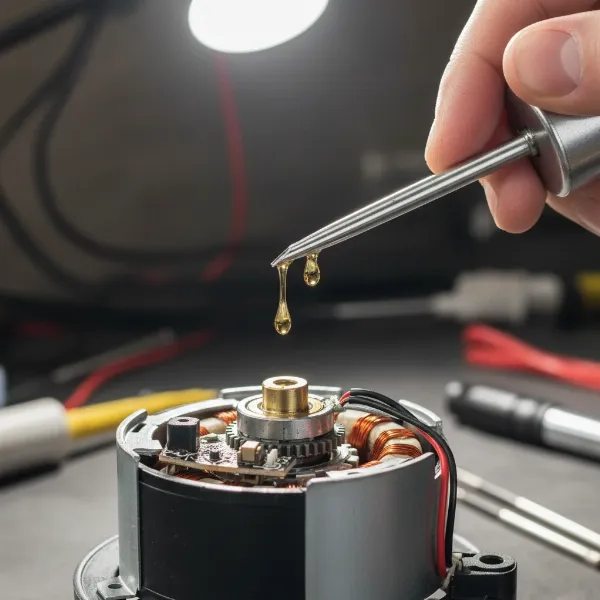 Hand applying machine oil to an electric fan motor bearing with a precision oiler.
Reassembly and Testing
- Reassemble the Fan: Carefully reassemble the motor housing, fan blade, and grills, referring to your earlier photos if needed. Ensure all screws and clips are securely fastened.
- Test Operation: Plug the fan back in and turn it on. Start with the lowest speed setting and listen for any remaining noises. The fan should run noticeably quieter and smoother. If there’s still a slight noise, a little more oil might be needed, or the bearing could be significantly worn.
- Safety Note: When first turning on the fan after lubrication, especially if you’ve used a generous amount, be prepared for some excess oil to potentially spin off. Ensure no one is in the direct path of the fan blades.
Maintaining Your Fan’s Bearings for Long-Term Performance
Proper lubrication isn’t a one-time fix; it’s an ongoing part of extending your fan’s lifespan.
Lubrication Frequency
- Sleeve Bearing Fans: For fans used regularly, inspect and re-lubricate every 6-12 months. For continuous use, every few months might be necessary.
- Ball Bearing Fans: Generally maintenance-free. If you have accessible ball bearings and they start to make noise, you might consider lubricating them every few years, but consult the manufacturer’s guidelines first.
Preventative Care
- Regular Cleaning: Keep the fan blades, grills, and motor housing free of dust. Dust can mix with lubricant to form abrasive gunk, accelerating wear.
- Proper Storage: When storing your fan for the off-season, cover it to prevent dust accumulation.
- Listen for Changes: Pay attention to any new noises or changes in fan performance. Addressing issues early can prevent more significant damage.
Troubleshooting Common Fan Bearing Issues
Even with proper lubrication, you might encounter issues. Here are a couple of common scenarios:
Fan Still Noisy After Oiling
If your fan continues to be noisy despite lubrication, consider these possibilities:
- Inadequate Cleaning: Old, hardened gunk might still be present, preventing the new oil from reaching the bearing surfaces effectively. A more thorough cleaning may be required.
- Wrong Oil Type: Using an oil with detergents or one that’s too thick can exacerbate the problem.
- Worn Bearings: If the bearings are significantly worn or the shaft has too much play, lubrication can only offer temporary relief. In such cases, the bearing or motor may need replacement. You might notice excessive wobble in the fan blade or shaft.
Fan Won’t Start or Runs Slowly
While lubrication addresses friction, other issues can cause a fan to malfunction:
- Motor Capacitor Failure: A common problem in older fans, a failing start capacitor can prevent the motor from getting enough power to start or run at full speed. This requires professional repair or replacement of the capacitor.
- Motor Winding Issues: In rare cases, the motor windings themselves could be failing. This is typically a sign of the fan reaching the end of its life.
Conclusion
Lubricating the bearings of your electric fan with the correct machine oil is a simple yet powerful maintenance task that can dramatically extend its lifespan, restore quiet operation, and ensure optimal performance. By understanding the types of bearings, choosing the right non-detergent oil, and following a careful step-by-step process for cleaning and application, you empower yourself to keep your cooling companions running smoothly. Regular attention to these internal components is an investment in both your comfort and your wallet, saving you from premature replacements. So, why not give your fan the care it deserves and enjoy the silent, refreshing breeze once more?
Frequently Asked Questions
Can I use household oil for lubricating fan bearings?
Yes, light household machine oils, such as sewing machine oil, are generally suitable for lubricating fan bearings, provided they are non-detergent and specifically designed for machinery with small moving parts.
How often should I lubricate my electric fan’s bearings?
For fans with sleeve bearings used regularly, it’s recommended to inspect and re-lubricate them every 6 to 12 months, or more frequently for continuous operation. Fans with sealed ball bearings typically do not require lubrication.
What are the signs that my fan bearings need lubrication?
Key indicators include increased noise (squeaking, grinding, chirping), a fan that takes longer to start or runs slower than usual, and reduced airflow, all pointing to excessive friction in the bearings.
Is WD-40 a suitable lubricant for fan bearings?
No, WD-40 is not recommended as a long-term lubricant for fan bearings. It is primarily a penetrating oil and solvent that quickly evaporates, often leaving bearings drier than before and potentially attracting more dust. Use a dedicated machine oil instead.
What type of bearing is most common in electric fans that require oiling?
Sleeve bearings, also known as bushings or Oilite bearings, are the most common type found in household Electric Fans that require periodic lubrication with machine oil to prevent friction and wear.