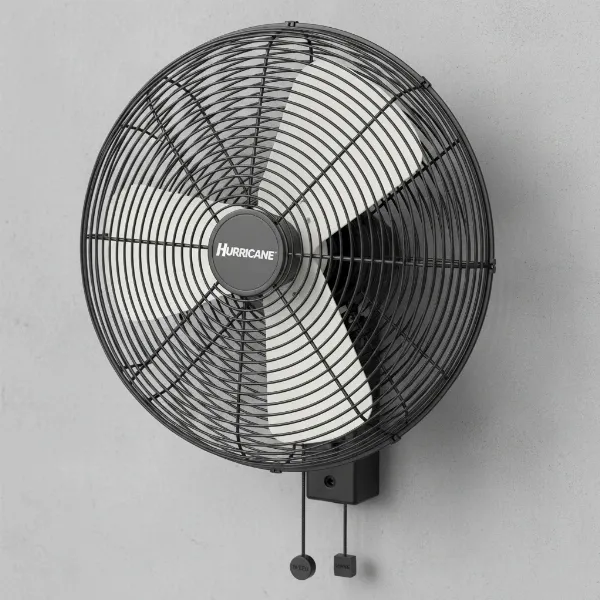
When the heat hits, choosing the right electric fan can make all the difference in your comfort. For many, the decision often comes down to two popular types: the sleek tower fan and the classic pedestal fan. Both are designed to circulate air and provide a cooling sensation, but they achieve this through different means and excel in various situations. Understanding their unique strengths and weaknesses is key to finding the perfect match for your home or office.
Electric Fans: An Overview and Popular Types
Electric fans have been a cornerstone of indoor comfort for over a century, offering a cost-effective alternative to air conditioning by creating airflow that helps evaporate sweat from your skin, making you feel cooler. It’s important to remember that fans circulate existing air rather than reducing the actual room temperature.
Among the myriad of designs, tower fans and pedestal fans stand out for their widespread popularity and distinct characteristics.
-
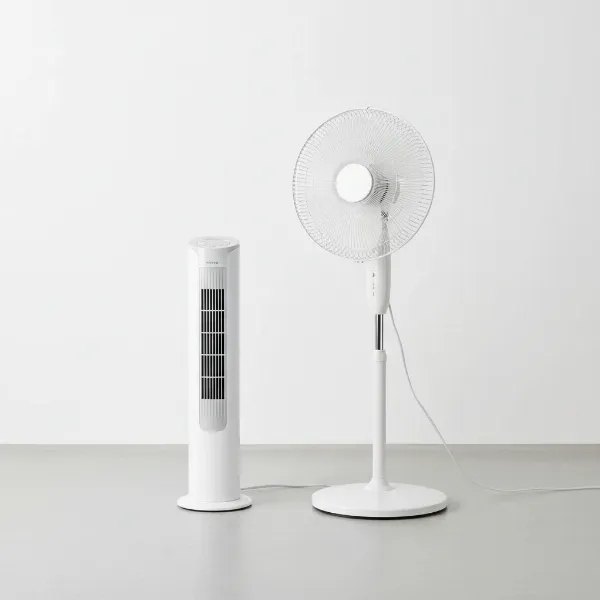
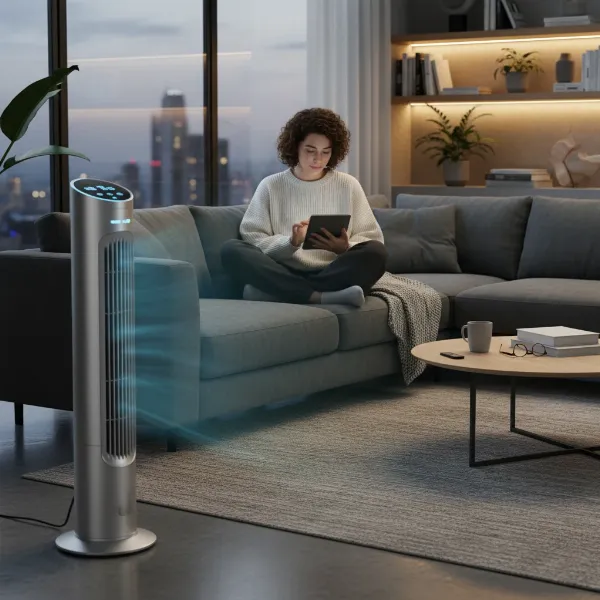
Tower Fans: These modern appliances feature a tall, slender, and vertical design. Their compact footprint makes them ideal for spaces where floor area is limited. Often incorporating internal, hidden blades, they provide a consistent column of airflow that can be directed across a wide arc through oscillation. Many models boast advanced features like multiple speed settings, different wind modes (e.g., natural, sleep), timers, and even air purification capabilities, blending seamlessly with contemporary décor.
-
Pedestal Fans: Representing a more traditional design, pedestal fans consist of a motor housing with exposed blades mounted on an adjustable stand with a wide, stable base. Their classic propeller-style blades are engineered to move a significant volume of air. A key advantage of pedestal fans is their highly adjustable nature, allowing users to alter both the height of the fan head and its tilt angle, providing precise control over the direction and reach of the airflow.
Choosing the Right Electric Fan: Key Considerations
Selecting the ideal electric fan requires a thoughtful assessment of your specific environment and personal preferences. Beyond simply “cooling,” consider how a fan integrates into your daily life.
Determine Your Cooling Needs
The effectiveness of any fan hinges on how well it meets the demands of its intended use.
- Room Size: For smaller rooms, compact bedrooms, or individual workstations, a tower fan’s focused airflow might be perfectly adequate for personal comfort. In contrast, larger living areas, open-plan spaces, or rooms where multiple people need to feel the breeze often benefit more from the powerful and wide-reaching airflow of a pedestal fan.
- Purpose of Use: Are you looking for a gentle, ambient breeze to aid sleep, or do you need strong, direct airflow to quickly alleviate heat during intense activities? Some seek general air circulation, while others desire targeted relief.
- Budget: Pedestal fans generally come at a more accessible price point, offering robust performance for less. Tower fans, especially those with advanced features, often represent a higher initial investment.
|
Our Picks for the Best Electric fan in 2026
As an Amazon Associate I earn from qualifying purchases.
|
||
| Num | Product | Action |
|---|---|---|
| 1 | LEVOIT Tower Fan for Bedroom, 25ft/s Velocity Standing Fan with 28dB Quiet for Sleep, Remoter, 12H Timer, 5 Speeds, 4 Modes, 90° Oscillation for Home, Office, Indoor, Bladeless 36 inch, White |

|
| 2 | Lasko 2520 Oscillating Stand Fan,White 16 Inch |
|
| 3 | XPOWER FC-100S Multipurpose 11 Pro Air Circulator Utility Fan with Oscillating Feature |
|
| 4 | Amazon Basics 16" Pedestal Fan with Remote, Floor Fan, Standing Fan for Bedroom, Living Room, Office, with 3 Speeds, 3 Modes, Timer, Dual-Layered Blades, Adjustable Height, Tilt Head, 60W, Black |
|
| 5 | Dreo Tower Fan for Bedroom, 25ft/s Velocity Quiet Floor Fan, 90° Oscillating Fans for Indoors with 4 Speeds, 4 Modes, 8H Timer, Standing Fans, Bladeless Fan, Black, Nomad One (DR-HTF007) |
|
| 6 | Viniper Portable Rechargeable Fan, Small Desk Fan : 3 Speeds & about 8-24 Hours Longer Working, 180 Rotation, Portable Desktop Fan Small but Mighty, Strong Wind (White, Light Black Blade)6.2 Inch |
|
| 7 | Amazon Basics Air Circulator Fan, Desk Fan for Bedroom, Home and Office, With 90-Degree Tilt Head, 3 Speed Settings, Lightweight (3 LBS), 35 Watts, Black, 11.1"W x 6.3"D x 10.9"H |
|
| 8 | Dreo Fan for Bedroom, 120° Oscillating Standing Fans, Quiet Floor Fan with DC Motor, 100ft Pedestal Fans for Room, 9 Speeds, 4 modes, 20dB, 120° Manual Vertical, 37-42" Adjustable Height, 9H Timer |
|
| 9 | Dreo Fan for Bedroom, 120° Oscillating Standing Fan, Quiet Floor Fan with DC Motor, Pedestal Fan for Room, 9 Speeds, 4 modes, 20dB, 120° Manual Vertical, 37-42" Adjustable Height, 9H Timer, Black |
|
| 10 | 10" Modern Standing Fan for Bedroom, Sleek Oscillating Pedestal Fan, 3-Speed & Height Adjustable Compact Floor Fan for Home Office & Dorm |
|
Important Criteria When Buying
Once your basic needs are clear, delve into the specific performance and convenience aspects.
- Airflow Power and Coverage: This is perhaps the most critical distinction. Pedestal fans, with their larger blades and more powerful motors, typically generate a stronger, more voluminous, and wider-reaching blast of air. This makes them highly effective for circulating air across larger distances and covering broader areas. Tower fans, while providing consistent airflow, often have a more concentrated or columnar output, making them excellent for a direct, steady breeze over a smaller zone or for individuals.
- Noise Level: Noise can significantly impact comfort, especially in quiet environments like bedrooms or home offices. Tower fans are generally celebrated for their quieter operation, thanks to their enclosed, often smaller, internal blade designs. Pedestal fans, especially at higher speed settings, can produce a more noticeable hum due to their larger, exposed blades.
- Features: Modern fans offer more than just a simple on/off switch. Tower fans often lead in smart features, including remote controls, various wind modes (e.g., simulate natural breeze, sleep mode for ultra-quiet operation), programmable timers, and sometimes even integrated air purification or ionization functions. Pedestal fans tend to offer more basic controls, focusing on multiple speed settings, wide oscillation, and crucial height and tilt adjustability.
- Brand and Reliability: Investing in a reputable brand often translates to better build quality, consistent performance, and reliable customer support. Look for manufacturers known for their durability and commitment to energy efficiency.
- Energy Efficiency: Both fan types are significantly more energy-efficient than air conditioners. However, tower fans often consume slightly less power due to their typically smaller motors and optimized airflow design, making them a good choice for extended, overnight use where energy savings are a priority. Pedestal fans, while also efficient, may draw a bit more power when operating at their highest, most powerful settings.
Comparing Popular Electric Fan Types (Tower vs. Pedestal)
To simplify your decision, let’s look at a head-to-head comparison of how these two fan titans stack up against each other.
Detailed Comparison: Tower Fan vs. Pedestal Fan
| Feature | Tower Fan | Pedestal Fan |
|---|---|---|
| Design | Slim, vertical, modern, space-saving | Classic, exposed propeller blades, wide, stable base |
| Airflow Strength | Moderate, consistent, often focused column | Strong, high-volume, wide-reaching |
| Coverage | Ideal for smaller rooms, personal cooling, or targeted zones | Excellent for larger rooms, open spaces, or widespread circulation |
| Noise Level | Generally quieter, especially on low settings | Can be noisier at higher speeds due to larger blades |
| Adjustability | Fixed height, wide oscillation (e.g., 60-120 degrees) | Adjustable height and tilt, broad oscillation (e.g., 85+ degrees) |
| Features | Remote control, multiple wind modes, timers, sometimes air purification | Basic speed settings, oscillation, height/tilt adjustment |
| Stability | Can be less sturdy, especially taller models | Generally very stable due to wide, weighted base |
| Maintenance | Can be harder to clean due to hidden internal components | Easier to clean with accessible, exposed blades |
| Cost | Often higher, particularly for models with advanced features | Generally more affordable, offering great value |
| Aesthetics | Sleek, minimalist, blends well with modern décor | Traditional, functional, can sometimes appear bulkier |
Tips for Using and Maintaining Your Electric Fan
Proper care ensures your electric fan remains a reliable source of comfort for years. Whether you own a tower fan or a pedestal fan, a little attention goes a long way.
Proper Cleaning of Your Electric Fan
Regular cleaning prevents dust buildup, which can hinder performance and affect air quality.
- Frequency: Aim for a thorough cleaning every 2-4 weeks during peak use, and at least quarterly during off-season.
- Tools Needed: A soft cloth, mild soap and water, a vacuum cleaner with a brush attachment, and possibly compressed air for hard-to-reach areas.
- Cleaning Steps:
- Always unplug the fan before cleaning to prevent electric shock.
- For pedestal fans, carefully remove the front grill and then the blade nut to detach the fan blades. Wash the blades and grills with warm soapy water, rinse, and dry completely. Wipe down the motor housing.
- For tower fans, use a vacuum cleaner with a brush attachment to clean the intake and outtake vents. A can of compressed air can help dislodge dust from internal components. Wipe the exterior with a damp cloth. Never immerse a tower fan in water.
Safe and Effective Electric Fan Use
Optimal placement and usage contribute to both comfort and safety.
- Placement: Position your fan in a strategic location to maximize air circulation. Avoid placing it directly against walls or furniture that could obstruct airflow. For tower fans, a corner can be efficient, while pedestal fans benefit from a central location in larger rooms.
- Speed Adjustment: Use the lowest effective speed setting. Higher speeds consume more energy and can create more noise without always providing significantly better cooling for your specific needs.
- Avoid Continuous Operation: While fans are energy-efficient, giving them occasional breaks, especially during long periods of use, can help extend motor life.
- Safety Precautions: Ensure fans are placed on a stable, flat surface to prevent tipping, particularly pedestal fans with their wider bases, and tower fans which can sometimes be less stable. Keep fans out of reach of small children and pets, especially pedestal fans with exposed blades. Never cover a running fan, as this can lead to overheating.
Electric Fan Maintenance for Longevity
Beyond cleaning, a few simple maintenance checks can prolong your fan’s lifespan.
- Check for Loose Parts: Periodically inspect screws, nuts, and the base for any looseness and tighten as necessary.
- Lubrication: Older pedestal fan models might benefit from a drop of lubricating oil on the motor shaft, but most modern fans have sealed, maintenance-free motors. Consult your owner’s manual.
- Proper Storage: When the cooling season ends, clean your fan thoroughly, cover it to protect it from dust, and store it in a dry, safe place away from extreme temperatures.
Where to Buy Reliable Electric Fans?
Finding a trustworthy retailer is as important as choosing the right fan model. You can find a wide selection of electric fans at:
- Electronics and Appliance Stores: Major retailers offer a variety of brands and models, often with floor staff who can provide advice.
- Hypermarkets and Department Stores: These stores typically stock popular entry-level to mid-range options.
- Online Retailers: E-commerce platforms provide an extensive range, competitive pricing, and user reviews, though you can’t physically inspect the product beforehand.
When making a purchase, always verify the warranty period, read recent customer reviews, and ensure the product specifications match your requirements.
Electric Fan Buying Guide: Your Decision Checklist
To help you finalize your choice, ask yourself these key questions:
What is Your Budget?
Consider both the upfront cost and potential long-term energy consumption. Pedestal fans generally offer more cooling power per dollar, while advanced tower fans can be a higher investment.
How Large is Your Room?
For smaller, personal spaces or bedrooms, a quiet, space-saving tower fan might be ideal. For larger living rooms or areas requiring stronger, more widespread airflow, a powerful pedestal fan is often the better choice.
What Features Do You Need?
Do you prioritize silent operation, smart controls, and a sleek design (tower fan), or powerful, adjustable, and widespread airflow with robust stability (pedestal fan)? List your must-have features to narrow down your options.
Conclusion
Choosing between a tower fan and a pedestal fan ultimately depends on your individual needs and the specific environment you wish to cool. While pedestal fans typically deliver a stronger, more adjustable airflow, making them excellent for larger rooms and widespread comfort, tower fans offer a quieter, more consistent breeze in a space-saving, modern design, perfect for smaller areas or personal use. Both are energy-efficient ways to enhance your indoor comfort without the high costs of air conditioning. By carefully considering your room size, desired features, noise tolerance, and aesthetic preferences, you can confidently select the electric fan that best suits your lifestyle.
What’s your top priority when choosing an Electric Fan – raw power or quiet operation and sleek design?